
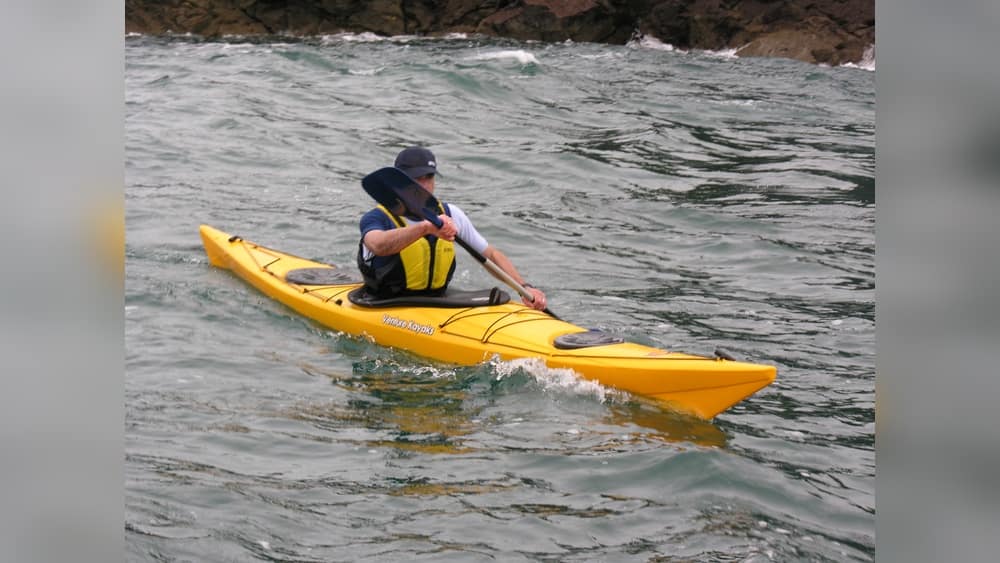
Kayaks are a common sight on lakes, rivers, and even the open sea. But many people wonder: is a kayak considered a boat? The answer seems simple, but when you look deeper, you find that the definition of “boat” can change depending on who you ask—boaters, government agencies, or even insurance companies. Let’s explore what makes a kayak a boat, the differences between kayaks and other watercraft, and why this distinction matters for safety, laws, and enjoyment on the water.
What Is A Boat?
The word boat has a broad meaning. In general, a boat is any small watercraft designed to float and move people or goods across water. Boats come in many shapes and sizes, from tiny rowboats to large fishing trawlers.
Most definitions agree that a boat:
- Floats on water
- Can carry people or cargo
- Is used for travel, sport, or work on water
By these standards, a kayak fits the basic idea of a boat. But to understand more, we need to look at what makes a kayak special.
What Is A Kayak?
A kayak is a small, narrow boat that is usually powered by a double-bladed paddle. Kayaks have a long history, starting with the Inuit people in the Arctic regions. Traditional kayaks were made from animal skins stretched over a wooden frame. Today, modern kayaks are usually made from plastic, fiberglass, or composite materials.
Key features of a kayak:
- Long and narrow body (hull)
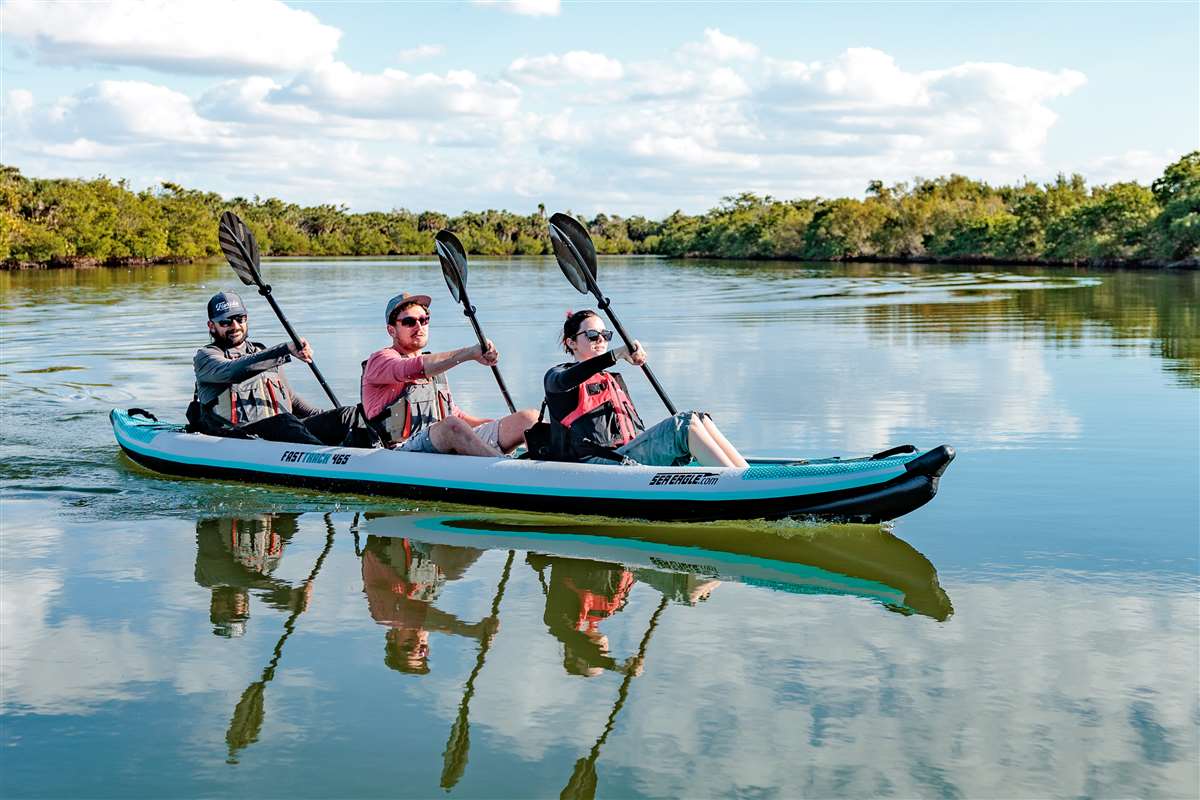
- Usually seats one or two people
- Uses a double-bladed paddle
- Often has a closed deck, but some are “sit-on-top”
Kayaks are popular for recreation, fishing, touring, and even whitewater sports. Their design makes them fast, easy to handle, and able to go where larger boats cannot.
Kayak Vs. Other Types Of Boats
To see if a kayak is a boat, it helps to compare it with other common watercraft.
| Type | Propulsion | Capacity | Typical Use |
|---|---|---|---|
| Kayak | Paddle (human-powered) | 1–2 people | Recreation, touring, fishing, sport |
| Canoe | Paddle (human-powered) | 2–4+ people | Recreation, camping, fishing |
| Rowboat | Oars (human-powered) | 1–4 people | Fishing, transport, leisure |
| Motorboat | Engine (motor-powered) | 2–8+ people | Sport, travel, fishing |
| Sailboat | Sail (wind-powered) | 1–10+ people | Racing, cruising, leisure |
This comparison shows that kayaks share key features with other boats: they float, carry people, and can be used for many activities. The main difference is how they are powered (by paddle) and their small size.
Legal Definitions: Is A Kayak A Boat?
In many countries, a kayak is legally considered a boat. Government agencies often include kayaks under their laws for boats and boating.
For example, in the United States, the U.S. Coast Guard says that kayaks are “vessels.” This means they must follow certain rules, such as:
- Having a life jacket for each person
- Using lights at night
- Following boating traffic rules
Some places require kayaks to be registered, especially if they have a motor. Others do not. Always check local rules before heading out.
This legal status matters for safety and insurance. If your kayak is a boat, you may need to follow the same laws as other boaters.
Insurance And Safety: Why The Definition Matters
If you own a kayak, you might wonder if you need boat insurance. Most insurance companies see a kayak as a boat, but often offer special kayak or canoe coverage. This can protect you if your kayak is stolen, damaged, or if you accidentally injure someone.
Some homeowner policies cover kayaks automatically, but only up to a certain value (often $1,000–$2,000). For more expensive kayaks, or if you want liability coverage, a separate boat policy is a good idea.
Safety rules also apply. In many places, kayaks must carry:
- A life jacket (PFD) for each person
- A whistle or sound-making device
- A white light for night use
These rules are similar to those for other small boats. Ignoring them can lead to fines or unsafe situations.
Practical Differences: Kayaks Vs. Boats
Even though a kayak is a boat by definition, there are real differences in how they are used and what you need to know.
1. Size And Storage
Kayaks are much smaller and lighter than most boats. They can often be carried by one person and stored in a garage or even an apartment. This makes them easier to own and transport.
2. Launching And Access
You can launch a kayak from almost anywhere—beaches, riverbanks, or docks. Larger boats need ramps and trailers, which limits where you can go.
3. Cost
Kayaks are usually much cheaper than motorboats or sailboats. Prices for new kayaks start as low as $200, while most motorboats cost thousands of dollars.
4. Skills Needed
Paddling a kayak takes practice, but there are fewer things to learn compared to operating a boat with an engine or sails. You can get started quickly, but you should still learn basic safety and rescue skills.
5. Maintenance
Kayaks need less maintenance than larger boats. There’s no engine to service and fewer moving parts. However, you should still check for cracks, leaks, or damage before each trip.
Credit: www.seaeagle.com
Why Some People Don’t Think Of Kayaks As Boats
Many people picture a “boat” as something larger and more complex—like a fishing boat or yacht. Because kayaks are small and paddle-powered, they can feel different.
But in official terms, and for safety and insurance, a kayak is a boat. The main differences are about size, speed, and what you can do with each.
Types Of Kayaks And Their Uses
Kayaks come in many designs, each made for specific activities.
| Kayak Type | Main Features | Best For |
|---|---|---|
| Recreational | Short, stable, easy to use | Calm lakes, beginners |
| Touring/Sea | Long, tracks straight, has storage | Long trips, ocean/coastal waters |
| Whitewater | Short, maneuverable, strong hull | Rivers with rapids |
| Fishing | Wide, stable, rod holders | Anglers on lakes/rivers |
| Inflatable | Light, portable, easy to store | Travel, people with limited storage |
No matter the type, all kayaks are boats by definition.

Credit: oldtownwatercraft.johnsonoutdoors.com
Non-obvious Insights About Kayaks As Boats
Most new paddlers miss a few important points when thinking about kayaks as boats.
- Navigation Rules Still Apply: Even though kayaks are small, you must follow the same basic waterway rules as larger boats. This includes right-of-way rules, using lights at night, and avoiding restricted areas.
- Registration Can Surprise You: In some places, adding a small electric motor to your kayak means you must register it as a motorboat. This is true even if you only use the motor part of the time. Always check your local laws.
- Insurance Claims May Be Denied: If you treat your kayak as “not a boat” and ignore boat insurance or safety rules, you might have trouble if you ever need to make a claim—especially after an accident involving others.
- Boat Ramps May Charge Fees: Some boat launches or ramps require a fee, even for kayaks. While you can often launch from any public shore, some areas treat all watercraft the same.
- Safety Gear Saves Lives: Studies show that nearly 70% of kayak drowning victims were not wearing a life jacket. Don’t let the small size of a kayak fool you—accidents happen quickly on the water.
Why The Kayak/boat Question Matters
You might wonder why it matters if a kayak is called a boat. Here’s why the answer is important:
- Safety Regulations: If your kayak is a boat, you must follow safety rules. This protects you and others.
- Legal Responsibility: Boating laws apply to kayaks. Not knowing the rules can lead to tickets or worse.
- Access and Permits: Some waterways require boat permits, even for kayaks.
- Insurance Coverage: Treating your kayak as a boat means you get the right insurance and help if something goes wrong.
Knowing your kayak is a boat helps you stay prepared and legal.
Examples From Real Life
- In 2022, a kayaker on Lake Michigan was fined for not carrying the required safety equipment. The Coast Guard treated his kayak as a boat under federal rules.
- In the UK, the Canal & River Trust requires a “boat license” for kayaks on many waterways—even for short trips.
- In Australia, kayak owners must follow the same navigation and safety rules as boaters, including wearing life jackets and using lights at night.
These real-world cases show that, for practical reasons, kayaks are seen as boats by most official bodies.
Kayaks In Sport And Recreation
Kayaks play a big role in outdoor sports. There are kayak races, whitewater competitions, and even long-distance expeditions. These events are governed by boating organizations and follow the same rules as other watercraft.
Kayak fishing has also become very popular. Anglers use special fishing kayaks to reach spots that larger boats cannot, often in shallow or narrow waters.
Kayaks are also used for touring and camping. Some people paddle for days or weeks, carrying their gear in storage compartments. This kind of adventure is only possible because kayaks are recognized—and regulated—as boats.

Credit: www.insure4boats.co.uk
Environmental Impact And Kayak Use
Kayaks have a smaller environmental impact than motorboats. They make less noise, don’t use fuel, and can access sensitive areas without causing damage. This is why many nature parks allow kayaks but restrict larger boats.
However, kayakers still need to follow local environmental rules, such as cleaning gear to prevent the spread of invasive species or respecting wildlife areas.
The Bottom Line: Is A Kayak Considered A Boat?
The answer is clear: A kayak is a boat. It meets the basic and legal definitions, and the rules for boats apply to kayaks in most places. The small size and simple design of kayaks do not change this fact.
If you own or use a kayak, treat it with the same respect as any other boat. Know the laws, use the right safety equipment, and enjoy the water safely.
For more on official definitions and boating rules, see the Wikipedia entry on boats.
Frequently Asked Questions
What Is The Main Difference Between A Kayak And A Canoe?
The biggest difference is in design and paddling style. Kayaks are usually closed on top and paddled with a double-bladed paddle. Canoes are open on top and use a single-bladed paddle. Kayaks tend to be faster and better for rough water.
Does My Kayak Need To Be Registered?
It depends on where you live. In many places, simple paddle kayaks do not need registration. But if you add a motor or use certain waterways, you may need to register your kayak as a boat. Always check local rules.
Are Kayaks Allowed Everywhere Boats Are?
Not always. Some lakes and parks allow only non-motorized boats like kayaks. Others may restrict access to certain areas for safety or environmental reasons. Always look for signs or ask before launching.
What Safety Gear Do I Need In My Kayak?
At minimum, you should have a life jacket (PFD), a whistle or sound device, and a light if you paddle after dark. Some places require more gear, like a throw rope or signaling device.
Can I Use My Kayak In The Ocean?
Yes, but choose the right type—a sea kayak is designed for saltwater and waves. Always check weather, tides, and safety before paddling in the ocean. Beginners should not paddle alone or far from shore.