
Raft Vs Kayak: Which Is Right For Your Next Adventure?
Water sports offer excitement, a connection with nature, and a way to test your limits. Two of the most popular ways to enjoy rivers and lakes are rafting and kayaking. At first glance, they both involve paddling and navigating water. But when you dig deeper, the differences are big—affecting everything from safety and skill level, to social experience and cost. Whether you’re a beginner searching for your first adventure or an experienced paddler looking to try something new, understanding the key differences between raft and kayak will help you make the right choice.
This guide takes you through every aspect of rafting and kayaking. You’ll learn how each craft works, what skills they need, how they handle in water, and which is better for different activities. You’ll also see real examples, learn about costs, and get advice most beginners miss.
By the end, you’ll know exactly which option fits your style, goals, and comfort level.
What Is A Raft?
A raft is a large, inflatable boat made for groups. Most rafts are built from thick, tough materials like PVC or Hypalon to handle rough rivers and rocks. They usually hold 4 to 10 people, depending on the size. The paddlers sit on the sides or on thwarts (inflated cross tubes) and use single-bladed paddles.
Rafts are most famous for whitewater rafting—riding down fast rivers with waves, rocks, and drops. But you can also use them for calm river floats, fishing, or family tours. Rafts are guided by a leader, called a guide, who sits at the back and steers using a large oar or paddle. The rest of the team paddles together on command.
Rafts are stable and hard to tip over. That makes them great for beginners, families, or anyone who wants a group experience. But moving a raft alone is nearly impossible; they’re heavy, and steering takes teamwork.
What Is A Kayak?
A kayak is a narrow, lightweight boat that one person paddles. Most kayaks are made from hard plastic, fiberglass, or sometimes inflatable materials. The paddler sits low, legs stretched out, and uses a double-bladed paddle. Kayaks come in many types, but the two main ones are sit-in (closed cockpit) and sit-on-top (open seat).
Kayaks are very versatile. They work on rivers, lakes, and even the ocean. Some are built for whitewater kayaking—fast, challenging rivers. Others are made for touring, fishing, or even surfing waves. Because kayaks are small and fast, one person can control them easily. But they’re less stable than rafts, and flipping over (called a capsize) is common, especially in rough water.
Kayaking often feels more personal and adventurous. You control everything and can explore narrow places rafts can’t reach. But you need more skill and practice, especially if you want to run whitewater.
Key Differences Between Raft And Kayak
When you compare rafting and kayaking, the real differences appear in how they handle, who they’re best for, and what kind of trips you can do. Here are the main ways raft and kayak are different:
| Feature | Raft | Kayak |
|---|---|---|
| Number of paddlers | Usually 4-10 | Usually 1 (sometimes 2) |
| Paddle type | Single-blade | Double-blade |
| Stability | Very stable | Less stable |
| Steering | Guide or group effort | Solo control |
| Learning curve | Easy for beginners | Steeper, needs practice |
| Transport | Heavy, needs group/vehicle | Light, easy to carry |
| Solo use | Difficult | Best suited |
| Social aspect | Group adventure | Solo or small group |
Who Should Choose Rafting?
Rafting is the top choice for people who want a team adventure and a shared thrill. It is also perfect for:
- Beginners – Rafting is easier to learn. A guide gives instructions, and the boat is hard to flip. Most first-timers feel safe and have fun, even on their first trip.
- Groups and families – Rafts hold many people, so everyone can join in. Many commercial rafting tours let families with kids (as young as 6–8 years old) join on gentle rivers.
- People who like teamwork – Rafting is about working together. Everyone paddles in time, follows commands, and celebrates together.
- Those who want to try whitewater safely – Even in bigger rapids, a trained guide controls the raft. You get the thrill without needing expert skills.
- Anyone with less swimming confidence – Rafts rarely flip, and guides know safety rescue techniques. Most trips require a life jacket, so strong swimming isn’t always needed.
Example: First-time River Adventure
Imagine a group of friends who have never tried water sports. They book a half-day rafting trip on a Class II river (easy, with small waves). A guide teaches them basic paddling. They laugh, get splashed, and end the trip excited and safe.
This is the classic rafting experience.
Non-obvious Insight
Rafting also gives you a chance to build trust and communication. Many companies use rafting for team-building because it teaches group problem-solving in real time.
Who Should Choose Kayaking?
Kayaking is the best choice for those who want independence and more challenge. It’s ideal for:
- Solo adventurers – Kayaks are made for one person. You control every move and can explore on your own schedule.
- People who want to learn new skills – Kayaking is a technical sport. You’ll learn strokes, balance, and how to recover if you tip over.
- Those who want access to remote places – Kayaks are slim and light. You can reach narrow creeks, small islands, or hidden coves.
- Travelers with limited space – Many kayaks fit on a car roof or in an apartment. Inflatable models pack into a backpack.
- Fitness lovers – Kayaking is a full-body workout. It builds arms, shoulders, back, and core strength.
Example: Weekend Lake Paddler
Picture someone living near a calm lake. On weekends, they carry their kayak to the water, paddle quietly along the shore, and watch birds. They set their own pace and enjoy solitude. This is the kayaking lifestyle.
Non-obvious Insight
Kayaking can be as social as you want. While it starts solo, many paddlers join clubs or group trips, creating a strong community. You can mix independence with group fun.
Types Of Rafting And Kayaking
Both rafting and kayaking have different styles, depending on the water and your goal.
Types Of Rafting
- Whitewater Rafting – Fast rivers with big waves and obstacles. The most famous type, with grades from Class I (easy) to Class V (very hard).
- Scenic Float Trips – Calm river sections. Great for families or relaxing.
- Overnight Expeditions – Multi-day trips with camping. Often on wilderness rivers.
- Fishing Rafts – Special rafts with platforms for anglers.
Types Of Kayaking
- Whitewater Kayaking – Short, tough kayaks for rapids. Needs skill and practice.
- Touring/Sea Kayaking – Long, stable kayaks for lakes and oceans. Good for covering distance.
- Recreational Kayaking – Wide, stable kayaks for calm water. Best for beginners.
- Inflatable Kayaks – Easy to store and transport. Can be used on calm or mild rivers.
- Sit-on-Top Kayaks – Open seat, easy to get on/off. Popular for fishing or warm climates.
Safety: Which Is Safer?
Safety depends on the water, your skills, and how you prepare. But there are some key differences:
- Rafting is usually safer for beginners. The raft is stable, and a trained guide watches for danger. Most accidents happen on very hard rivers, not on beginner trips.
- Kayaking has more risk for new paddlers. You must learn to keep balance, escape if you flip, and handle obstacles alone. Capsizing is common, especially in whitewater.
Important Safety Tips
- Always wear a life jacket (PFD).
- Listen to guides or instructors.
- Check water levels and weather.
- Never paddle alone on hard water if you’re new.
Common Mistake
Many beginners think flat water means “no danger. ” But even calm rivers and lakes can have strong currents, cold water, or hidden objects. Always respect the water.
Cost Comparison
People often ask which is cheaper: rafting or kayaking? The answer depends on your plans.
- Rafting as a commercial tour (with a guide) usually costs $40–$100 per person for a half-day trip. You pay once, and everything is included (boat, gear, transport).
- Kayaking can be cheaper if you have your own gear. A basic recreational kayak costs $300–$600. Add a paddle ($50–$150) and a life jacket ($30–$100). You can use it many times for free. But guided kayaking trips or whitewater lessons cost extra.
Renting Vs. Owning
- Renting a kayak: $20–$40 per day.
- Renting a raft: Rare, most people join tours.
Non-obvious Insight
Inflatable kayaks have made solo paddling much more affordable. You can get a decent model for under $200, and store it in a closet.
Physical Demands
Rafting and kayaking both use your arms, shoulders, and core. But the type of effort is different.
- Rafting spreads the work over many people. You paddle for short bursts, then rest.
- Kayaking is solo work. You paddle the whole time, often switching sides. It’s a better workout for endurance and balance.
Most people can handle a beginner rafting trip, even if they’re not fit. Kayaking, especially in wind or waves, can be tiring if you’re new.
Fitness Tip
If you’re not sure, try both on calm water. See which feels better for your body before planning a big trip.
Environmental Impact
Both sports can be eco-friendly if you follow local rules. But there are some differences:
- Rafts are big and can disturb riverbanks if not launched carefully. Large groups can leave more trash if not careful.
- Kayaks are light and leave a smaller “footprint.” You can launch almost anywhere with less impact.
Always use established launch sites, pack out trash, and follow “leave no trace” rules.
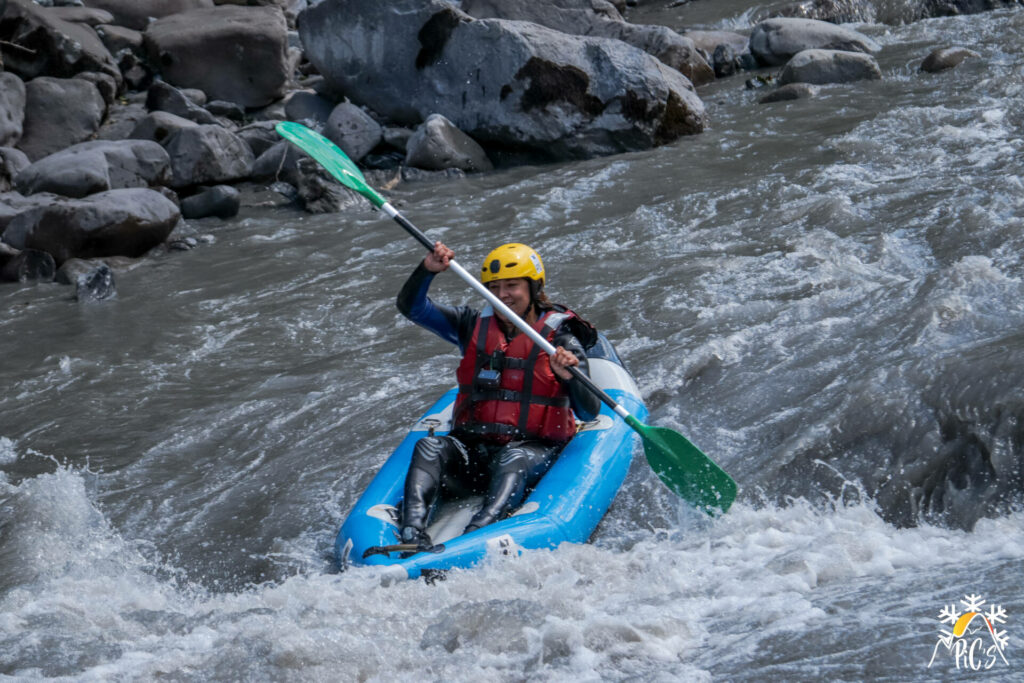
Credit: www.crazywater-rafting.com
Accessibility And Inclusivity
Rafting is open to a wider range of ages and abilities:
- Kids and older adults often join rafting trips on easy rivers.
- People with limited mobility can sometimes join, with help from guides.
Kayaking is more demanding for those with limited balance or arm strength. But adaptive kayaking programs (with special equipment) are growing.
Non-obvious Insight
Some rafting companies now offer “accessible” trips with special seats or lift assistance for wheelchair users.
Which Is More Fun?
This is a personal question! Here’s how they compare:
- Rafting is fun if you like group energy, laughter, and big splashes.
- Kayaking is fun if you like quiet, freedom, and exploring on your own.
Many paddlers switch between both, depending on mood and friends.
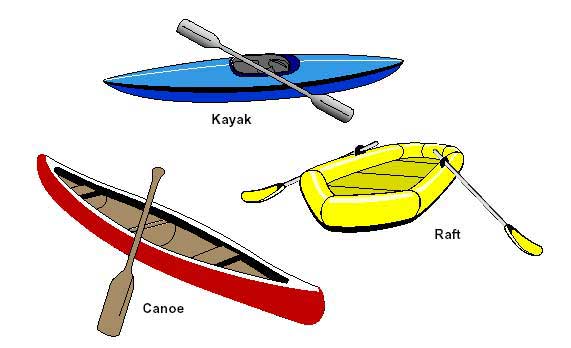
Credit: shenandoahvalleyevents.wordpress.com
Weather And Season
- Rafting is mostly a warm-weather activity. Most tours run spring to early fall when river flows are good.
- Kayaking can be year-round, especially on lakes or in warm climates. Some kayakers use dry suits for cold water.
Always check local weather before heading out.
Gear And Clothing: What You Need
Rafting Gear
- Helmet (on whitewater)
- Life jacket
- Paddle
- Quick-dry clothes, water shoes
- Wetsuit or dry suit (if cold)
Kayaking Gear
- Kayak (correct type for water)
- Double-blade paddle
- Life jacket
- Spray skirt (for sit-in kayaks in rough water)
- Helmet (whitewater)
- Waterproof bag for gear
- Quick-dry clothes, water shoes
Non-obvious Insight
Sun protection is critical for both. Water reflects sunlight, making sunburn easy, even on cloudy days. Wear a hat, long sleeves, and sunscreen.

Credit: southeasternexpeditions.com
Skill Progression: Which Is Easier To Master?
- Rafting: You can enjoy beginner trips almost right away. Learning to guide a raft yourself (as a leader) takes more time.
- Kayaking: Takes longer to feel confident, especially in rough water. Skills like the “wet exit” (escaping if you flip) and rolling (righting yourself) are important.
But with practice, both sports become much more fun and safe.
Real-life Stories: Rafting Vs Kayaking
Rafting Memory
A group of coworkers tried rafting for a company retreat. At first, they were nervous. But after paddling together and surviving a big wave, they felt closer and more confident. Several wanted to try kayaking next!
Kayaking Discovery
A solo traveler took up kayaking after moving near a river. She started on calm days, then joined a local club. She now leads weekend trips for beginners, showing them hidden spots only kayaks can reach.
Comparing Popular Destinations
Some rivers and lakes are famous for one sport or the other. Here’s a quick look:
| Destination | Best For Rafting | Best For Kayaking |
|---|---|---|
| Colorado River (USA) | Yes (Grand Canyon trips) | Yes (side canyons, flatwater) |
| Lake District (UK) | Some rivers | Excellent (lakes, touring) |
| Zambezi River (Africa) | World-class rapids | Advanced only |
| Fiordland (New Zealand) | Limited | Stunning sea kayaking |
Environmental Conditions And Water Types
Certain water types are better for each craft:
- Rafts: Best for big, bouncy rivers, especially with rocks and waves.
- Kayaks: Fit anywhere—narrow streams, open lakes, even the sea.
Non-obvious Insight
In flood or very low water, rafts can get stuck or be unsafe. Kayaks can often keep going, as they need less depth.
How To Choose: Simple Decision Guide
If you’re still unsure, ask yourself:
- Do I want to go with friends or solo?
- Do I want to learn new skills or just have fun?
- Do I want to own my own boat or go on tours?
- How much am I willing to spend?
- What water is near me (rivers, lakes, ocean)?
There’s no wrong answer. Many outdoor lovers try both before choosing their favorite.
Where To Learn More
If you want to dive deeper, check out the American Canoe Association’s advice for new paddlers at American Canoe Association.
Frequently Asked Questions
What Is Easier For Beginners: Rafting Or Kayaking?
For most people, rafting is easier to start. You have a guide, paddle as a team, and the boat is hard to tip over. Kayaking is solo, needs more balance, and takes longer to master.
Can You Use A Kayak For Whitewater Like You Can With A Raft?
Yes, but only with the right type of whitewater kayak and skills. Whitewater kayaking is more technical and risky than rafting. Beginners should start with lessons or guided trips.
Is Kayaking Or Rafting Better For Fitness?
Kayaking gives a stronger workout because you paddle solo and use more upper body and core muscles. Rafting spreads the effort over a group, so it’s less intense.
Which Is Safer For Children?
Rafting on gentle rivers is usually safer for children, especially with professional guides. Some kayaking programs teach kids, but it requires more skill and supervision.
What Do I Do If I Capsize In A Kayak Or Raft?
In a raft, stay with the boat and wait for rescue or help from guides. In a kayak, learn the “wet exit” to safely get out if you flip. Always wear a life jacket and practice in calm water before trying harder rivers.
Rafting and kayaking both offer adventure, challenge, and memories. Your choice depends on your goals, group, and comfort. Try both if you can—you might be surprised by which you love most.