
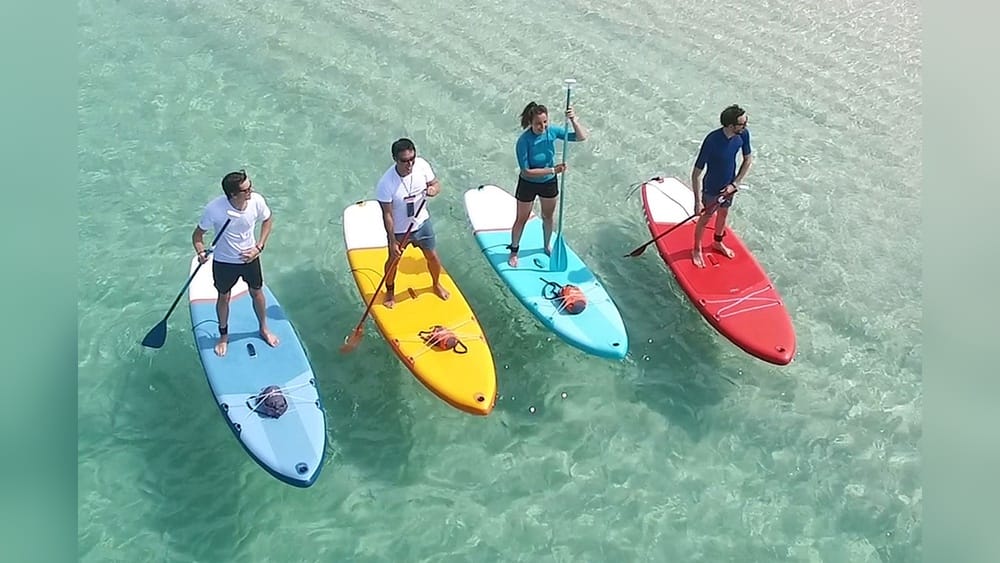
If you’ve ever wandered down to a lake or coastal town, you’ve likely seen people gliding on the water—some standing tall on wide boards, others sitting low in sleek boats. These two water sports, stand-up paddleboarding (SUP) and kayaking, have exploded in popularity over the past decade. Both offer a fresh way to explore rivers, lakes, and oceans while giving your body a workout. But how do you decide which is better for you? The answer depends on your goals, experience, and the kind of adventure you want.
SUP and kayaking are not just about paddling—they each offer a unique experience, set of skills, and benefits. Whether you’re looking for a family outing, a solo workout, or a new hobby, understanding the differences can save you time and money. This guide covers every angle: comfort, technique, cost, safety, performance, and even the communities behind each sport. If you’re torn between SUP and kayak, or just curious about what makes each one special, read on for everything you need to know.
What Is Sup And What Is Kayak?
Before comparing, it’s important to understand what makes each sport unique.
Stand-up paddleboarding (SUP) involves standing on a large, stable board and using a long, single-bladed paddle. The sport started in Hawaii but now you’ll find SUP boards everywhere, from city rivers to remote mountain lakes. SUP is known for its simplicity—just grab a board and paddle, and you’re ready to go. Many boards are inflatable, making them easy to transport and store.
A kayak is a small, narrow watercraft you sit in or on, using a double-bladed paddle to move through the water. Kayaks come in many forms: sit-in, sit-on-top, inflatable, touring, whitewater, and more. Some kayaks are designed for speed, others for stability or comfort. Kayaking has a long history, used by indigenous peoples for hunting and travel, and now enjoyed worldwide for recreation and adventure.
Comparing Gear And Setup
Sup Equipment
A basic SUP setup includes:
- SUP board (hard or inflatable)
- Paddle (single blade)
- Leash (for safety)
- Personal flotation device (PFD)
SUP boards are usually 10–12 feet long and 30 inches wide, giving plenty of room to stand. Inflatable boards are popular because you can roll them up and carry them in a backpack. Hard boards offer more speed and performance but need more storage space.
Kayak Equipment
A typical kayak setup includes:
- Kayak (sit-in or sit-on-top)
- Double-bladed paddle
- PFD (life vest)
- Spray skirt (for sit-in kayaks, to keep water out)
Kayaks can range from 8 to 16 feet long. Sit-on-tops are beginner-friendly and great for warm water. Sit-ins provide more protection from wind and splashes, ideal for cold or rough conditions. Many people add dry bags, fishing gear, or even pedal drives for hands-free motion.
Gear Comparison
Here’s a quick look at the main differences:
| Feature | SUP | Kayak |
|---|---|---|
| Paddle | Single blade | Double blade |
| Position | Standing | Sitting |
| Portability | Inflatable boards are very portable | Inflatable and some hard kayaks portable, but often heavier |
| Storage | Easy (inflatable) | Medium to hard (depends on type) |
Learning Curve And Accessibility
Sup: Easier For Beginners?
Many people find SUP easier to start. The large board gives good balance, and you can always kneel if you feel unsteady. On calm water, most adults and even older kids can stand up within 15–30 minutes. You do not need special lessons—just a quick safety briefing and you’re off.
Kayak: Skill And Comfort
Kayaking can be simple or advanced. Sit-on-top kayaks are stable and forgiving, great for new paddlers. Sit-in kayaks, especially narrow ones, take more practice. Learning to get in and out, handle waves, and perform an emergency exit (called a wet exit) is important. Kayak paddling also uses different muscles than SUP.
What Beginners Often Miss
- SUP requires good core strength. While it feels easy, standing and balancing works your abs and back. If you have knee or ankle problems, standing for long periods may be uncomfortable.
- Kayaks can feel tippy at first, especially narrow or sit-in models. But with practice, they are very stable and safe—even in rough water.
Physical Benefits And Fitness
Both sports offer a full-body workout, but in different ways.
Sup: Balance And Core
SUP is famous for building balance and core muscles. You use your legs to steady yourself, your core to stay upright, and your arms and shoulders to paddle. Over time, you’ll improve your posture and stability, and burn 300–500 calories per hour depending on speed.
SUP is also easy on the joints. You can go as slow or fast as you like, making it great for all ages and fitness levels.
Kayak: Endurance And Upper Body
Kayaking works your upper body—especially shoulders, arms, chest, and back. Long paddles build endurance and aerobic fitness. You use your legs to brace and steer, but less than in SUP.
Calorie burn is similar—about 300–500 per hour, depending on pace and water conditions. Kayaking can be more intense if you push yourself, especially in currents or wind.
Extra Fitness Insights
- SUP gives you a standing workout. This means your core is always working, even when you’re not paddling.
- Kayaking can be more comfortable for people with lower back or knee issues, since you’re sitting with support.

Credit: www.hydrusboardtech.com
Types Of Water And Environments
Choosing between SUP and kayak often comes down to where you want to paddle.
Where Sup Shines
SUP boards handle calm water best: lakes, slow rivers, bays, and gentle ocean days. You can see more around you because you’re standing. This makes SUP perfect for sightseeing, wildlife watching, or photography.
On windy or choppy water, SUP can be challenging. You’re more exposed and may fall in more often. Advanced paddlers can handle small waves or even surf, but most beginners prefer flat water.
Where Kayaks Excel
Kayaks are more versatile on different waters. They cut through wind and waves better, so you can paddle in rougher conditions, fast rivers, or even ocean surf. Sit-in kayaks protect you from splashes and cold, making them ideal for year-round use.
Kayaks can also carry more gear, so they’re better for camping trips or fishing. Some kayaks are designed for whitewater, letting you ride rapids that would be impossible on a SUP.
Non-obvious Considerations
- SUPs allow you to launch almost anywhere—even off a rocky shore or dock—because you can step right on. Kayaks often need a gentler entry.
- Kayaks are usually faster and go farther, making them better for covering distance.
Comfort And Stability On The Water
Sup: Freedom To Move
SUP boards let you move around freely. You can stand, sit, kneel, or even lie down and sunbathe. There’s no cockpit, so you don’t feel trapped. This is great for stretching, yoga, or just relaxing.
However, standing can get tiring, and you’re exposed to wind and sun. On a hot day, that’s a plus, but in cooler weather, it can be uncomfortable.
Kayak: Protected And Seated
In a kayak, you sit low with back support. Sit-in models keep your legs dry and warm. You’re less likely to fall in, which is good if you dislike getting wet. Sit-on-top kayaks are great for swimming breaks or fishing—just slide off and climb back on.
Kayaks can feel cramped after a few hours. Stretching is harder, and tall people may find sit-in cockpits tight.
Comfort Insights
- If you have limited mobility or poor balance, a kayak is usually safer and more comfortable.
- People with back problems should look for kayaks with adjustable seats and good lumbar support.
Safety Factors
Both sports are safe when you follow basic rules, but risks differ.
Sup Safety
Falling off a SUP is common, but you just climb back on. Wearing a leash keeps your board close if you fall. Always wear a PFD, especially in deep or moving water.
The main risks are:
- Sunburn and dehydration (because you’re standing)
- Falling onto rocks or sharp objects in shallow water
- Wind or current pushing you far from shore
Kayak Safety
Kayaks are harder to tip, but if you do capsize, getting back in can be tricky—especially for sit-ins. Learning a wet exit and self-rescue is essential. Always wear a PFD.
Risks include:
- Getting trapped in a sit-in kayak (rare but possible)
- Hypothermia in cold water
- Getting caught in strong currents or waves
Extra Safety Tips
- SUP boards are easier to remount if you fall, compared to climbing back into a kayak on deep water.
- In cold water, a kayak with a spray skirt offers more protection than a SUP.
Speed, Performance, And Range
Sup: Slower, More Relaxed
SUPs are generally slower than kayaks. Most people paddle at 3–4 km/h (2–2. 5 mph). With practice, you can go faster, but wind and waves slow you down.
SUPs are great for short trips, sightseeing, or fitness paddles. They turn easily, but covering long distances can be tiring.
Kayak: Fast And Efficient
Kayaks are designed for speed and distance. Average speed is 5–6 km/h (3–4 mph), and skilled paddlers can go much faster. Kayaks track straight and handle wind better, so you can paddle for hours without getting tired.
If you want to explore far-off islands or go on multi-day trips, a kayak is the better choice.
Data Comparison
Here’s a side-by-side look at performance:
| Aspect | SUP | Kayak |
|---|---|---|
| Average Speed | 2–2.5 mph | 3–4 mph |
| Max Range (1 day) | 5–10 miles | 10–20 miles |
| Turning | Easy, agile | Depends on design (some quick, some track straight) |
Cost And Maintenance
Sup Costs
A new inflatable SUP costs $300–$800. High-end hard boards can reach $1,500 or more. Paddles, leashes, and PFDs add $100–$300. You’ll also need a pump for inflatables.
Maintenance is simple: rinse after use, dry before storage, and check for leaks. Inflatable boards can get punctures, but most come with repair kits.
Kayak Costs
Sit-on-top kayaks start at $250–$600. Sit-in touring kayaks are $700–$2,000. Paddles, PFDs, spray skirts, and accessories add $150–$400.
Storage and transport are bigger issues—hard kayaks are heavy (40–80 lbs) and need roof racks or trailers. Inflatable and folding kayaks are lighter but cost more.
What Surprises Many Buyers
- Used gear is often a great value. Many people buy new, try the sport, then sell at a big discount.
- Kayaks hold their value better than SUPs, especially quality brands.
Community And Social Experience
Sup Culture
SUP attracts a relaxed, social crowd. Many people paddle in groups, join classes, or take part in yoga sessions. Because you stand, it’s easier to chat, help others, or even bring a dog or child on the board.
Kayak Community
Kayaking has a long tradition. Clubs organize trips, races, and training. Some focus on whitewater adventure, others on sea touring or fishing. You’ll find a strong sense of teamwork on long trips.
Noteworthy Insight
- SUP is great for solo time or group fun, but less suited for fast team sports.
- Kayaks offer more options for joining clubs or taking part in group expeditions.
Which Is Best For Fishing?
Both SUP and kayak are used for fishing, but they offer different experiences.
Sup Fishing
Fishing SUPs are extra wide and stable. You stand to cast and see fish below. There’s plenty of room for a cooler, tackle box, and rods. However, wind and waves can make standing difficult.
Kayak Fishing
Fishing kayaks are extremely popular. You sit comfortably, can carry lots of gear, and pedal-drive models let you fish hands-free. You’re protected from wind and sun. Some kayaks have rod holders, live wells, and even electronics.
Practical Advice
- If you want to sight-fish in shallow water, try a fishing SUP.
- For longer trips, carrying gear, or windy conditions, a fishing kayak is better.
Environmental Impact
Both sports are eco-friendly, but small differences matter.
- Inflatable SUPs and kayaks use PVC, which is not biodegradable, but they last for years.
- Hard boards and kayaks are made from fiberglass, plastic, or composite. Manufacturing has an environmental cost, but with care, these products last decades.
Paddling leaves little trace, but always clean your gear to prevent spreading invasive species between lakes or rivers. Choose brands with strong environmental policies for the lowest impact.

Credit: thursosurf.com
Sup Vs Kayak: Quick Comparison
To help you decide, here’s a summary of key differences:
| Factor | SUP | Kayak |
|---|---|---|
| Learning curve | Very beginner-friendly | Easy (sit-on), moderate (sit-in) |
| Fitness | Core, balance, full body | Upper body, endurance |
| Speed | Slower | Faster |
| Comfort | Flexible, open | Seated, more protected |
| Water types | Flat, calm waters | All waters, including rough |
| Cost | Lower to mid | Wide range |
How To Choose: Practical Questions
- Where will you paddle most? Calm lakes and slow rivers: SUP or kayak. Ocean, wind, or rapids: kayak.
- Do you prefer standing or sitting? SUP gives you a standing view; kayak lets you relax seated.
- Will you paddle alone or with friends? SUP is very social and easy to share. Kayak trips can be longer and more remote.
- Do you want to fish or carry gear? Kayaks carry more and offer better stability for fishing.
- How will you transport and store your gear? Inflatable SUPs are easiest to store; hard kayaks need more space.
- Do you want a workout or a leisurely cruise? SUPs give a stronger core workout; kayaks are better for endurance.

Credit: www.youtube.com
Personal Stories And Common Mistakes
Many new paddlers rush to buy the cheapest gear, only to find it uncomfortable or hard to use. Renting first is smart—you’ll learn what fits your style.
A common SUP mistake: buying a narrow, fast board as a beginner. Start with a wide, stable board. For kayaks, avoid tiny, tippy models unless you want to learn advanced skills.
Don’t underestimate the weather. Wind and waves can turn a fun day into a struggle. Always check forecasts and stay close to shore if you’re new.
Final Thoughts
SUP and kayaking both offer freedom, fitness, and fresh air. They’re different in feel and style, but both are easy to learn and endlessly rewarding. SUP is about simplicity, balance, and open views. Kayaking is about adventure, speed, and comfort.
Try both if you can—many paddlers do. The best choice is the one that matches your goals, water, and sense of fun.
For more details on gear and safety, check resources like the Wikipedia Kayak entry.
Frequently Asked Questions
Is Sup Or Kayak Safer For Beginners?
Both are safe if you wear a life jacket and follow basic rules. SUPs are easy to remount if you fall, but kayaks are more stable in rough water. Sit-on-top kayaks are best for nervous beginners.
Which Is Better For Exercise, Sup Or Kayak?
SUP works your core and balance more, while kayaking builds upper body strength and endurance. Both burn about the same calories, but SUP feels more like a full-body workout.
Can I Use A Sup Or Kayak On The Ocean?
Yes, but conditions matter. SUPs are best on calm days; kayaks handle wind and waves better. Always check the weather and stay close to shore if you’re new to ocean paddling.
How Do I Transport And Store A Sup Or Kayak?
Inflatable SUPs and kayaks can be rolled up and stored in a closet or car trunk. Hard boards and kayaks need more space and usually a roof rack or trailer.
Is It Easy To Switch Between Sup And Kayak?
Yes, many people try both. The basic paddling motion is different, but skills transfer. Some SUP boards even have kayak seat attachments for extra versatility.