
Canoeing Vs Kayaking: A Complete Guide For Beginners And Enthusiasts
The gentle ripple of water, the thrill of discovery, and the power of paddling—these moments draw people to both canoeing and kayaking. If you’ve ever wondered about the differences or wanted to try one, you’re not alone. These two paddle sports look similar but offer unique experiences, gear, and challenges. Choosing the right one can shape your adventure and safety on the water.
Many people mix up canoeing and kayaking, thinking they’re basically the same. But the truth is, each has its own history, style, and techniques. Understanding how they compare helps you pick the right sport, avoid frustration, and maximize fun.
Let’s explore the real differences, similarities, and what to expect with each. Whether you plan a quiet lake trip, a whitewater adventure, or just want to know which paddle to pick, this guide will help you make an informed choice.
What Is Canoeing?
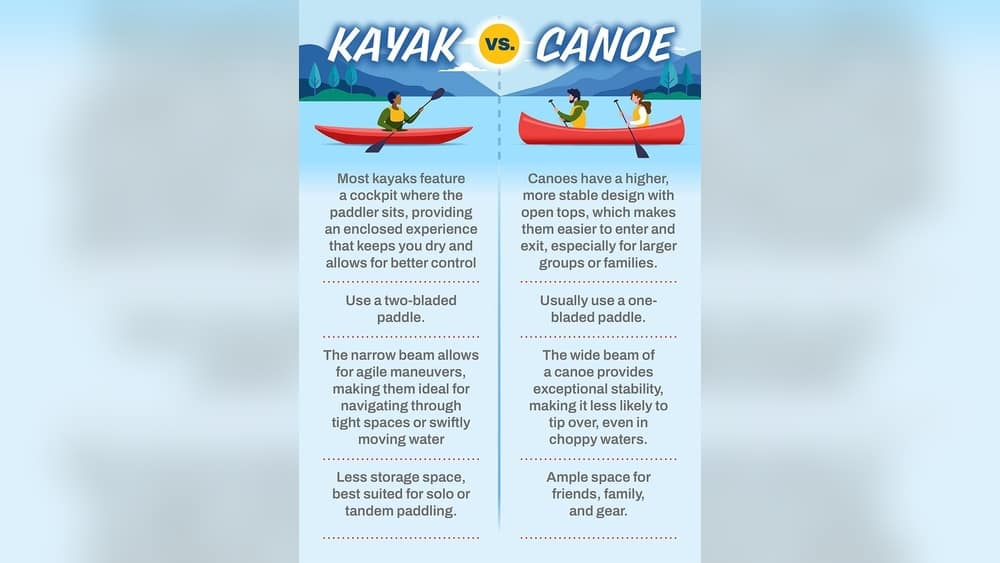
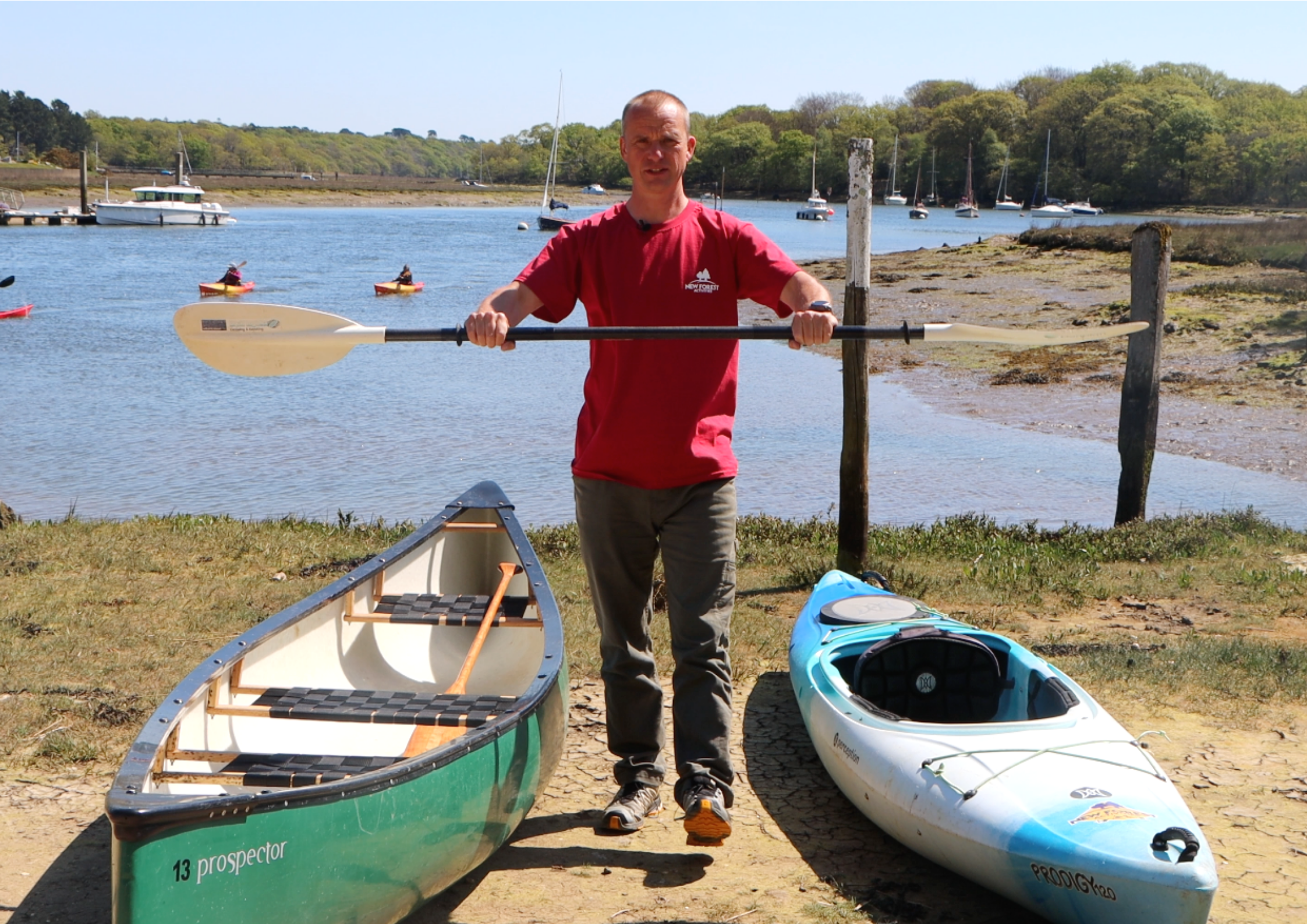
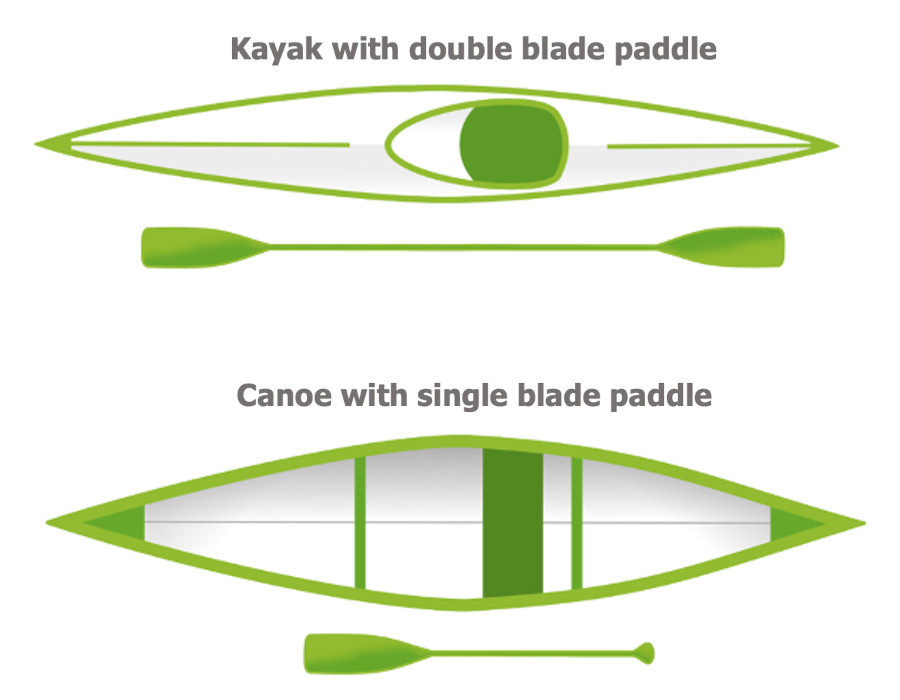
Canoeing is a water sport where you paddle a canoe—an open, narrow boat that usually seats one or more people. Canoes often have high sides and are paddled with a single-bladed paddle. You kneel or sit inside and face forward.
Canoeing has deep roots in many cultures. Indigenous people in North America used canoes for travel, fishing, and trade. Today, people enjoy canoeing for leisure, racing, camping, and exploring both calm and moving waters.
Canoes are known for their stability and ability to carry gear. Families and groups often use them for multi-day trips, thanks to their space.
What Is Kayaking?
Kayaking uses a kayak—a smaller, enclosed boat usually designed for one person, although tandem kayaks exist. You sit with your legs extended in front of you, sometimes inside a cockpit. Kayakers use a double-bladed paddle to move and steer.
Kayaking also has ancient origins. The Inuit people in Arctic regions built early kayaks for hunting and travel. Modern kayaks are made for recreation, racing, sea voyages, and whitewater adventures.
Kayaks are known for speed, maneuverability, and a close connection to the water. They are popular for solo exploration and sport.
Key Differences: Canoeing Vs Kayaking
At first glance, canoes and kayaks may look similar, but they differ in several important ways. Here’s a breakdown of the main contrasts:
| Feature | Canoeing | Kayaking |
|---|---|---|
| Seating Position | Kneeling or sitting on a bench, open boat | Sitting with legs extended, often in a closed cockpit |
| Paddle Type | Single-bladed paddle | Double-bladed paddle |
| Boat Design | Open top, higher sides, wider beam | Closed or sit-on-top, lower profile, narrower |
| Capacity | 2 or more people, more gear space | Usually 1 person, less gear space |
| Stability | Generally more stable, less likely to tip | Less initial stability but easier to roll upright |
These distinctions affect how each boat handles, who they suit, and what kind of water or trips work best.
The Experience: What It’s Like On The Water
Trying canoeing or kayaking for the first time is a unique experience. Here’s what you can expect from both, including physical effort, views, and the sense of adventure.
Canoeing
Canoeing gives a relaxed, social feel. The open boat and higher seat let you see your surroundings better. You can easily turn your head, shift your position, or chat with your partner. On calm waters, it feels like gliding. Paddling uses your arms, shoulders, and core but isn’t usually intense unless you’re fighting wind or current.
Carrying gear is easier in a canoe. This makes them great for camping trips. You can bring coolers, tents, and supplies without worrying about space. Canoes are also quieter on the water, which helps for wildlife watching or fishing.
Kayaking
Kayaking feels close to the water and very responsive. The lower seating means you’re almost at water level, which adds excitement. Each paddle stroke is efficient, and the boat turns quickly. You use your whole body—arms, core, and even legs—to power and control the kayak.
Kayaks are great for solo trips, fast travel, and challenging water. They move through waves and rapids with ease. The feeling is more dynamic, and you can cover long distances quickly. However, storage space is limited, so you must pack smart and light.
Types Of Canoes And Kayaks
Both sports offer a range of boat designs for different activities. Choosing the right one depends on where and how you want to paddle.
Types Of Canoes
- Recreational Canoes: Wide and stable, made for lakes, slow rivers, and beginners.
- Touring/Tripping Canoes: Longer, designed for carrying gear on multi-day trips.
- Whitewater Canoes: Shorter, with special shapes and flotation for rapids.
- Racing Canoes: Long, narrow, and lightweight for speed on flat water.
Types Of Kayaks
- Recreational Kayaks: Short, stable, and easy to use, best for calm water.
- Touring/Sea Kayaks: Long, narrow, and built for speed and tracking on open water.
- Whitewater Kayaks: Short, maneuverable, and tough for river rapids.
- Sit-on-top Kayaks: Open design, easy to get on and off, great for warm climates and fishing.
- Inflatable Kayaks: Lightweight, portable, and good for travel, but not as durable in rough water.
Each type has its own strengths, so think about your goals before buying or renting.
Gear And Equipment Needed
Good gear makes your day safer and more enjoyable. Here’s what you need for each sport:
Canoeing Gear
- Canoe: Pick the right size and shape for your activity.
- Single-bladed paddle: One per person, sometimes a spare.
- Personal Flotation Device (PFD): Always wear a life jacket.
- Dry bag: To keep valuables and food safe from water.
- Kneeling pad: Adds comfort for longer trips.
- Rope and throw bag: For safety and rescue.
Kayaking Gear
- Kayak: Match the type to your water and skill level.
- Double-bladed paddle: Lighter paddles reduce fatigue.
- Personal Flotation Device (PFD): Choose one for kayaking.
- Spray skirt: Keeps water out of the cockpit (for closed kayaks).
- Helmet: Needed for whitewater or rocky areas.
- Dry bag or hatch: For storing gear.
- Bilge pump: To remove water from the kayak.
Some beginners miss the importance of a proper PFD fit. Choose one that allows good arm movement and doesn’t ride up when you sit or paddle. Another detail: always check the paddle length. Too long or short, and paddling becomes tiring or awkward.
Pros And Cons: Canoeing
Canoeing has many benefits, but also some limits. Here’s a look at both:
Pros
- Stability: Easier for beginners and families, less likely to tip in calm water.
- Gear space: More room for bags, food, and camping gear.
- Group friendly: Can seat two or more people, making it social.
- Easier to enter/exit: Helpful for kids, older adults, or those with mobility issues.
- Great for fishing and photography: The open design lets you move and set up gear.
Cons
- Slower: Canoes move at a relaxed pace, not built for speed.
- Affected by wind: High sides catch wind, making steering harder.
- Less nimble: Turning and handling in tight spots can be challenging.
- Heavier: Harder to carry solo or load onto a car.
A common mistake is overloading a canoe. Even with more space, too much weight can make it unstable or hard to paddle.
Pros And Cons: Kayaking
Kayaking is loved for its speed and agility, but it comes with trade-offs.
Pros
- Fast and efficient: Double-bladed paddles and sleek design mean you travel further with less effort.
- Maneuverable: Turns quickly, handles rapids, waves, or obstacles with ease.
- Great for solo trips: Most kayaks are made for one person.
- Better for rough water: Lower profile means less wind resistance.
- Easier to roll upright: With training, you can recover from a capsize.
Cons
- Less gear space: You must pack light and plan carefully.
- Harder to enter/exit: The closed cockpit can feel tight, especially for beginners.
- Tippier at first: Kayaks can feel less stable until you learn balance.
- Can be wet: Water often splashes inside, especially in rough conditions.
Some new kayakers skip learning how to exit a capsized kayak. Practicing wet exits and re-entry is essential for safety, especially in deep or moving water.

Credit: www.youtube.com
Skills And Techniques
Both sports require skill, but the techniques are different. Let’s compare the basics.
Canoeing Skills
- J-stroke: A steering stroke that keeps the canoe straight while paddling solo or in the stern.
- Draw stroke: Moves the canoe sideways.
- Switching sides: Paddlers often switch paddle sides to stay balanced and on course.
- Teamwork: In tandem canoes, front and back paddlers must coordinate.
Kayaking Skills
- Forward stroke: Uses body rotation to move efficiently.
- Sweep stroke: Turns the kayak.
- Bracing: Keeps the kayak stable in waves.
- Eskimo roll: Advanced technique to right a capsized kayak without exiting.
- Wet exit and re-entry: Critical for safety, especially in closed-cockpit kayaks.
One insight: torso rotation is more important than arm strength in both sports. Paddling with your arms tires you quickly. Use your core for power and endurance.
Safety: Risks And Precautions
Water sports are fun, but safety is serious. Here’s how to stay safe:
- Wear a PFD at all times. Even strong swimmers can be caught off guard.
- Check the weather before you go. Wind, storms, and cold water are hazards.
- Know your limits. Avoid fast water or big waves if you’re a beginner.
- Tell someone your plan. Share your route and return time.
- Bring a whistle. It’s a simple, effective way to signal for help.
- Stay with your boat if you capsize. It’s more visible than a swimmer and floats.
- Practice rescues. Learn how to get back in or help others.
A detail often missed: hypothermia is a danger even in warm weather, especially if you’re wet and the wind picks up. Bring dry clothes and know the symptoms.
Which Is Easier For Beginners?
Both canoeing and kayaking are beginner-friendly, but which is easier depends on your goals and the water.
- Canoeing is often easier on calm lakes for two or more people. The wide, stable boat is forgiving, and there’s room to move. It’s less intimidating for families or those nervous about water.
- Kayaking feels easier for solo paddlers. The double-bladed paddle is intuitive, and you have direct control. On moving water, kayaks handle better and are less affected by wind.
One thing beginners overlook: learning to steer is as important as moving forward. Many new paddlers struggle to keep their boat straight at first. Take time to master turning and stopping.
Fitness And Health Benefits
Paddle sports are good for body and mind. Both canoeing and kayaking work the upper body, core, and even legs. Here’s how they compare:
- Canoeing builds endurance and balance. You use shoulders, back, and arms, plus your core for stability. Carrying gear or portaging (carrying the canoe on land) adds a workout.
- Kayaking uses more muscles. Each stroke involves arms, core, and legs pressing against foot pegs. Fast paddling and maneuvering provide a cardio challenge.
Both sports are low-impact, which means less stress on joints than running or high-impact sports. Being on water also reduces stress, improves mood, and can boost mental health.
Credit: www.newforestactivities.co.uk
Cost: What To Expect
The price of getting started varies. Here’s a rough comparison:
| Item | Canoeing (USD) | Kayaking (USD) |
|---|---|---|
| Boat | $800 – $2,000 | $300 – $1,500 |
| Paddle | $30 – $150 | $50 – $200 |
| PFD (Life Jacket) | $40 – $120 | $40 – $120 |
| Other Gear | $50 – $300 | $50 – $300 |
| Rental/Day | $30 – $60 | $25 – $50 |
Kayaks can be cheaper for solo paddlers. Canoes cost more but hold more people and gear. Renting is a smart way to try both before buying.
Popular Destinations Around The World
Both sports are popular worldwide. Some top spots include:
- Boundary Waters, USA: Over 1,000 lakes and rivers, a classic canoeing area.
- Lake District, UK: Beautiful scenery for both canoeing and kayaking.
- Zambezi River, Africa: Famous for whitewater kayaking and wildlife.
- New Zealand’s Fiordland: Stunning fjords, popular for sea kayaking.
- Canadian Rockies: Crystal-clear lakes, ideal for canoe trips.
Check local rules and seasons. Some destinations require permits or guides, especially for remote or protected waters.
How To Choose: Canoeing Or Kayaking?
Still not sure? Ask yourself these questions:
- Do you want to paddle solo or with a group?
- Solo: Kayaking is easier.
- With family or friends: Canoeing offers space and teamwork.
- Will you carry lots of gear?
- Yes: Canoe.
- No/Light: Kayak.
- Are you on calm or rough water?
- Calm: Both work well.
- Rapids or sea: Kayak handles better.
- Do you value speed or stability?
- Speed: Kayak.
- Stability: Canoe.
- Is entry/exit a concern?
- If yes, canoes are simpler.
Try both if you can. Many rental shops let you switch boats during the day. Your preference might surprise you.
Environmental Impact
Respect for nature is key in paddle sports. Both have small footprints, but there are a few tips:
- Avoid dragging boats on shorelines—this damages plants and animals.
- Use eco-friendly gear and avoid leaving trash.
- Paddle quietly near wildlife. Don’t chase or disturb animals.
- Follow “leave no trace” rules on camping trips.
Some kayaks and canoes are now made from recycled materials, which helps reduce impact.
Credit: www.paddleventure.com
Canoeing And Kayaking In Competitions
Both sports have competitive sides. Canoe sprint and kayak sprint are Olympic events, raced on flat water. Slalom races test skill in rapids. There are also dragon boat races (large canoes) and long-distance marathons.
Competitive paddling requires training, fitness, and teamwork. But many paddlers enjoy local club races for fun and friendship.
Learning Resources And Where To Start
If you’re serious about starting, lessons help build confidence and skill. Look for local clubs, paddling schools, or guided trips. Many offer beginner packages, gear rentals, and safety training.
A great resource for learning more is the Wikipedia page on Canoeing. You’ll find history, technical details, and links to global organizations.
Frequently Asked Questions
What Is Safer: Canoeing Or Kayaking?
Both sports are safe with proper gear and training. Canoes are more stable on flat water, while kayaks handle rough water better. The main risks are weather, cold water, and not wearing a life jacket. Training and practice reduce accidents.
Can I Use A Kayak Paddle In A Canoe Or Vice Versa?
You can, but it’s not ideal. A kayak paddle in a canoe may hit the sides, while a canoe paddle in a kayak is too short. Each paddle is designed for its boat. Try both and see what feels best if you’re experimenting.
Which Is Better For Fishing?
Canoes are usually better for fishing because of their stability and space. You can stand or move easily, and there’s room for gear. Some kayaks are made for fishing too, especially sit-on-top types, but they require balance.
Is Kayaking More Difficult Than Canoeing?
Not always. Kayaking has a faster learning curve for basic paddling and solo control. Canoeing can be easier for relaxed trips with friends. Skills like rolling or bracing in a kayak take time, but basic kayaking is beginner-friendly.
Do I Need Lessons To Start?
Lessons aren’t required but are highly recommended. They teach safety, paddling technique, and rescue skills. Even one lesson helps avoid common mistakes and builds confidence on the water.
Canoeing and kayaking both offer adventure, fitness, and the beauty of nature. Whether you choose the classic stability of a canoe or the sleek speed of a kayak, you’ll join a long tradition of paddlers exploring the world’s waterways. Try both if you can—your perfect paddle is waiting.