
Kayaking looks simple from the shore. You see a small boat, a paddle, and a person gliding across the water. But once you try it, you realize every detail matters. The way you sit, how you hold your paddle, and—maybe most important—the kind of paddle you use. Many beginners wonder: Do kayak paddles really make a difference? Or can you grab any paddle and expect the same performance? In reality, the paddle is much more than a stick with blades. Choosing the right kayak paddle changes how far you go, how tired you get, and even how much you enjoy the trip. Let’s explore why kayak paddles matter, what features make them different, and how your choice could transform your next paddling adventure.
Why The Right Kayak Paddle Matters
It’s easy to think the kayak is the most important piece of gear. But paddles are your connection to the water. The right paddle makes each stroke smooth, efficient, and powerful. The wrong paddle can cause sore muscles, slow you down, and even make you dislike kayaking.
A good paddle helps you move faster with less effort. It can reduce the risk of blisters or shoulder pain. For longer trips, the right paddle means you can go farther without exhaustion. For beginners and experts alike, paddle choice directly affects safety, speed, and comfort.
Key Factors That Make Kayak Paddles Different
Not all kayak paddles are equal. Here are the main features that separate one paddle from another:
1. Length
Paddle length is crucial. Too short, and you hit your knuckles on the kayak. Too long, and each stroke takes extra effort. The right length depends on your height, kayak width, and paddling style.
- Shorter paddles (210-220 cm) are good for narrow kayaks and high-angle paddling (aggressive, faster strokes).
- Longer paddles (230-250 cm) suit wider kayaks or low-angle paddling (relaxed, touring strokes).
Example: A 5’7” person in a 28-inch wide kayak will usually need a 230 cm paddle.
2. Blade Shape And Size
The blade is the part that goes in the water. Its shape and size change how the paddle feels.
- Wide, short blades (high-angle): Good for fast, powerful strokes. Best for whitewater or quick maneuvers.
- Long, narrow blades (low-angle): Better for relaxed, steady paddling. Great for touring or long trips.
Bigger blades move more water but require more strength. Smaller blades are easier on the body but move less water per stroke.
3. Material
Paddle material affects weight, strength, and cost.
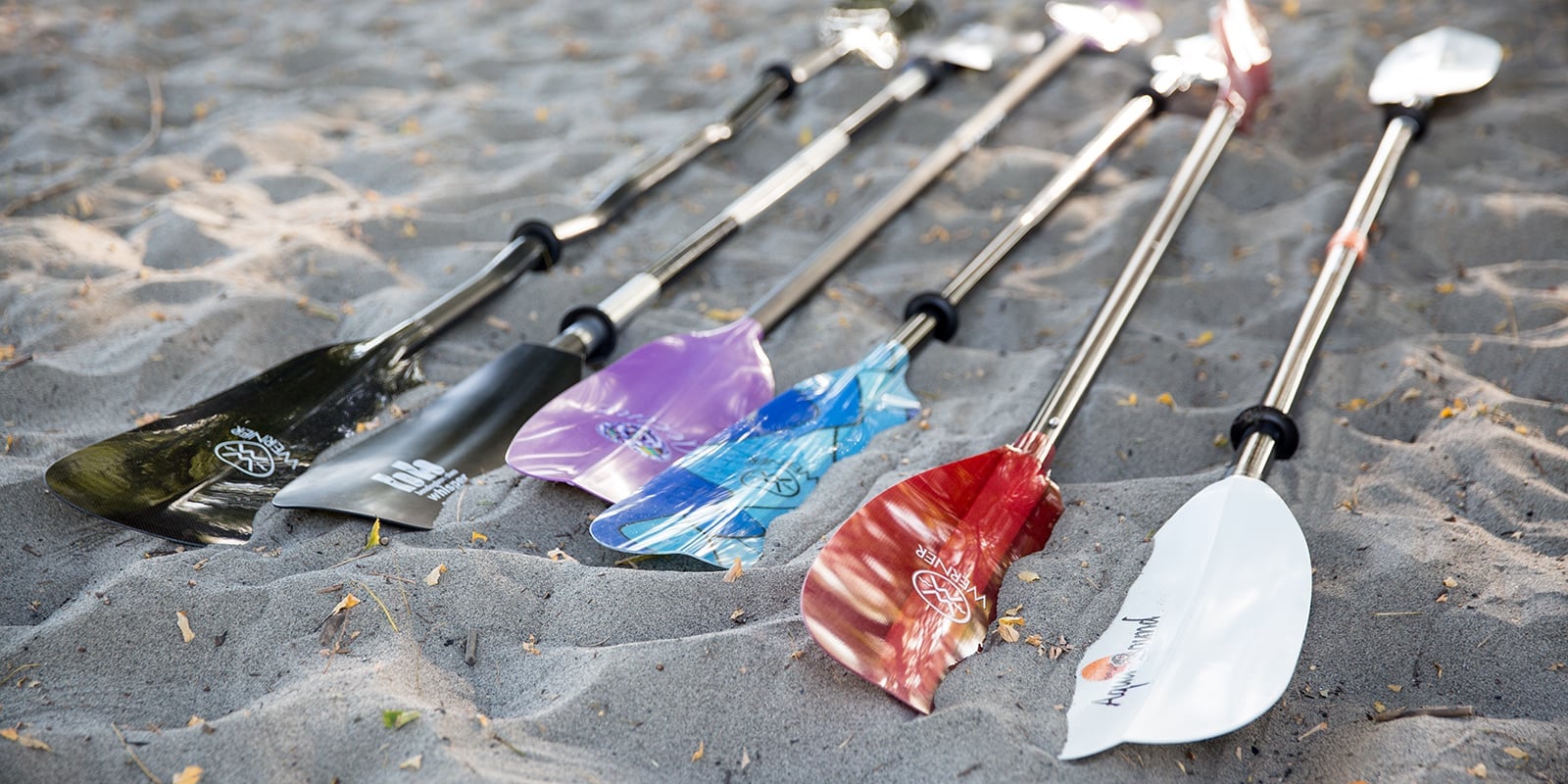
- Plastic/Aluminum: Cheap, strong, but heavy. Good for beginners or rentals.
- Fiberglass: Lighter, a bit more costly, but offers a nice balance of strength and price.
- Carbon fiber: Super light and stiff, great for serious paddlers, but expensive.
A lighter paddle can make a huge difference. Every stroke counts—over a day, lifting less weight saves your arms and shoulders.
4. Shaft Shape
The shaft is the part you hold. Most are round, but some are oval or have a bent (crank) design for comfort.
- Straight shafts: Simple, traditional, lower cost.
- Bent shafts: Reduce wrist strain and can help with joint pain. Popular for long trips or people with previous injuries.
5. Feathering
Feathered paddles have blades at different angles. This cuts wind resistance, especially in open water. Adjustable paddles let you set the feather angle to your liking.
6. Weight
A small difference in weight—just a few hundred grams—can mean less fatigue, especially on long journeys. Advanced paddles can weigh half as much as budget ones.
7. Two-piece Vs. Four-piece
Some paddles break into pieces for travel. Four-piece paddles are best for backpacking or carrying in small cars. Two-piece paddles are fine for most kayakers.
How Paddle Choice Affects Performance
Speed And Efficiency
A paddle that matches your size, strength, and kayak type helps you go faster with less effort. For example, a lightweight carbon fiber paddle can make you 10-15% faster compared to a heavy aluminum one, simply because you tire less quickly.
Comfort And Fatigue
A well-matched paddle reduces stress on your wrists, elbows, and shoulders. Over a full day, this can mean finishing your trip with energy left, rather than feeling sore or worn out.
Control And Maneuverability
Shorter paddles and larger blades give you more control for quick turns. This is important for whitewater or when navigating rocky areas. Longer paddles and smaller blades are better for steady tracking on calm lakes.
Safety
A poorly chosen paddle can be a safety risk. If it’s too short, you’ll struggle to steer. If it’s too long and heavy, you might get tired and have trouble paddling back to shore in strong wind or current.
Data: Comparing Paddle Materials
Here’s a look at how weight and price compare for the most common kayak paddle materials.
| Material | Average Weight (g) | Typical Price ($) | Durability |
|---|---|---|---|
| Aluminum/Plastic | 950-1200 | 30-70 | High |
| Fiberglass | 750-950 | 80-180 | Medium-High |
| Carbon Fiber | 500-750 | 180-500 | Medium |
Notice the significant weight drop as you move from aluminum to carbon fiber. For someone paddling all day, saving 300 grams per stroke adds up to thousands of kilograms lifted less over a trip.
Real-world Examples: How Paddle Choice Changes The Experience
- Touring Kayaker: Emily switched from a heavy aluminum paddle to a fiberglass model. On her 20 km trip, she finished an hour faster and with less muscle soreness.
- Whitewater Paddler: Mike uses a short, high-angle paddle with big blades. He can quickly turn and react in rapids, which is not possible with a long touring paddle.
- Beginner: Sara rented a kayak with a paddle that was too long. She struggled to keep up and developed wrist pain. When she switched to a properly sized paddle, kayaking became much more fun.
Paddle Sizing Guide
Choosing the right paddle length is more science than guesswork. Here’s a quick reference for matching your height and kayak width:
| Paddler Height | Kayak Width < 23″ | Kayak Width 23-28″ | Kayak Width > 28″ |
|---|---|---|---|
| Under 5’5″ | 210-215 cm | 215-220 cm | 220-230 cm |
| 5’5″–5’11” | 215-220 cm | 220-230 cm | 230-240 cm |
| Over 6′ | 220-230 cm | 230-240 cm | 240-250 cm |
This guide covers most recreational kayaks. For specialized kayaks or unique body types, try paddles before buying.
Credit: www.outdoorgearlab.com
Non-obvious Insights Beginners Often Miss
Many new kayakers believe any paddle will do—until they try a better one. Here are two important insights:
- Grip and Shaft Diameter Matter: If the shaft is too thick or too thin for your hands, you’ll get tired or even develop blisters. Some brands offer different shaft diameters for comfort.
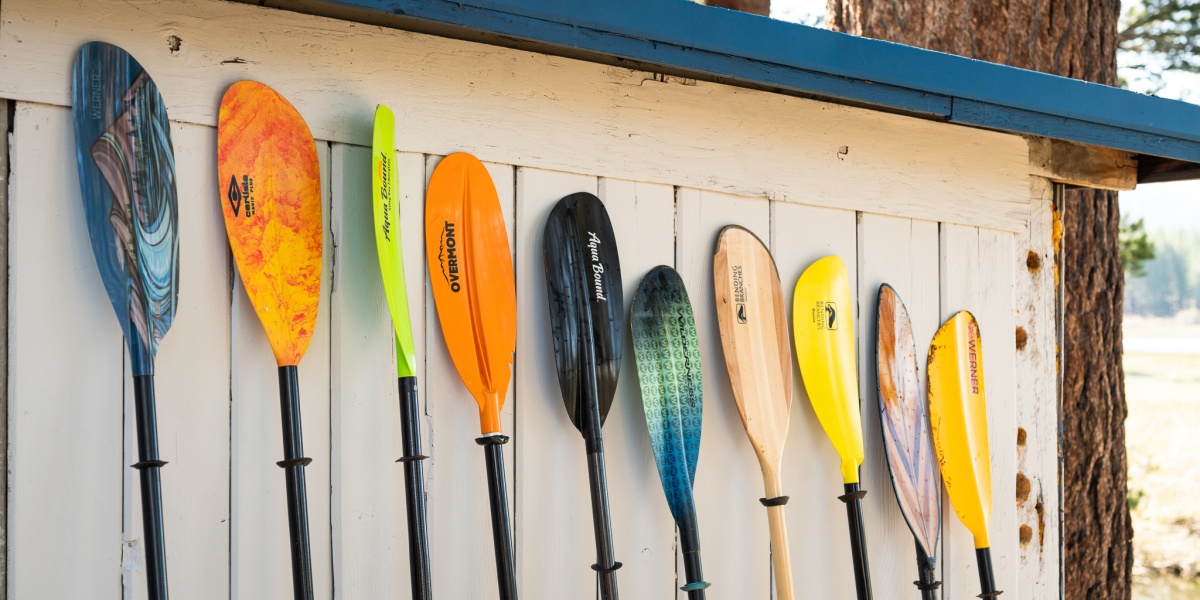
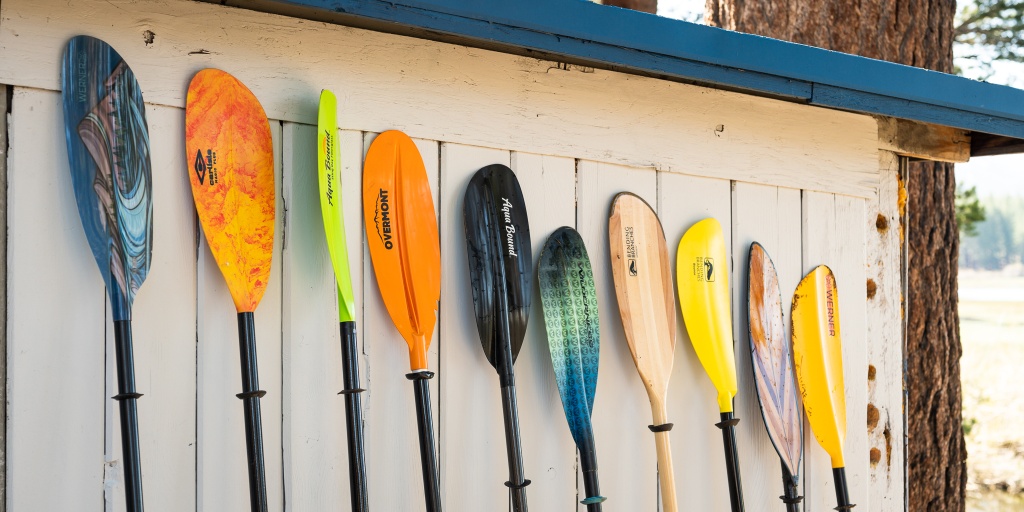
- Paddle Blade Color Can Be Important: Bright colors (yellow, orange) are easier to spot in case you drop your paddle or need to signal for help.
Common Mistakes When Choosing Kayak Paddles
Avoid these errors to get the best experience:
- Choosing a paddle just because it’s cheap. Heavy paddles can ruin long trips.
- Ignoring paddle length. Even a 10 cm difference can cause discomfort.
- Not considering your paddling style (high-angle vs. low-angle).
- Forgetting about adjustability. Some paddles let you change length or feather angle, which is great for sharing with friends.
Credit: www.outdoorgearlab.com
Are Expensive Paddles Always Better?
Not always. The best paddle is the one that fits your needs, not just the one with the highest price. For short trips, a basic paddle is fine. But for regular or long-distance kayaking, investing in a lighter, well-designed paddle is worth every penny.
How Paddle Choice Impacts Different Types Of Kayaking
Recreational Kayaking
For short, relaxed paddling, comfort is more important than speed. Lightweight paddles with medium-sized blades work well.
Touring And Expedition
Long-distance kayakers benefit most from light materials and narrow blades. Bent shafts help with joint comfort.
Whitewater
Short, strong paddles with big blades offer control and quick response. Durability is key since rocks and impacts are common.
Fishing Kayaks
Anglers need paddles that can be used one-handed or have features like hook retrieval notches. Shorter paddles are handy for maneuvering in tight spots.
Credit: www.rei.com
When Should You Upgrade Your Paddle?
If you notice arm or shoulder fatigue after short trips, or if you want to paddle farther and faster, it’s time to consider a better paddle. Upgrading from a basic aluminum paddle to fiberglass or carbon fiber is one of the easiest ways to improve your kayaking experience.
How To Test A Kayak Paddle Before You Buy
Whenever possible, try paddles before buying. Many shops and clubs offer demo days. Focus on:
- How the paddle feels in your hands
- The weight after several minutes of use
- If the blade shape matches your stroke style
A small difference in feel can have a big impact after hours on the water.
Trusted Resources For Learning More
If you want deeper technical details or the latest paddle designs, check out resources like the Kayak Paddle article on Wikipedia for more in-depth information.
Frequently Asked Questions
What Is The Best Length For A Kayak Paddle?
The best length depends on your height and kayak width. Most people use paddles between 210 and 250 cm. Use a sizing guide or ask at a kayak shop for a precise fit.
Do Lighter Paddles Really Make A Difference?
Yes. A lighter paddle reduces fatigue, especially on long trips. Even a few hundred grams less can make paddling much more enjoyable over time.
Is It Worth Spending More On A Carbon Fiber Paddle?
If you paddle often or go on long trips, carbon fiber paddles are worth the investment. They are light and strong. For casual use, fiberglass or even a good plastic paddle is often enough.
Can The Wrong Paddle Cause Injury?
Yes. Using a paddle that is too long, too short, or too heavy can cause wrist, shoulder, or back pain. It can also increase the risk of blisters and fatigue.
Should Beginners Buy An Expensive Paddle?
Not always. Beginners can start with a basic paddle. But if you plan to paddle often, moving to a lighter, well-designed paddle will make a big difference in comfort and performance.
Choosing the right kayak paddle is more than a minor detail—it’s a decision that shapes your kayaking experience every time you hit the water. The right paddle gives you control, comfort, and confidence. It’s a smart investment for anyone who wants to enjoy kayaking to the fullest.