
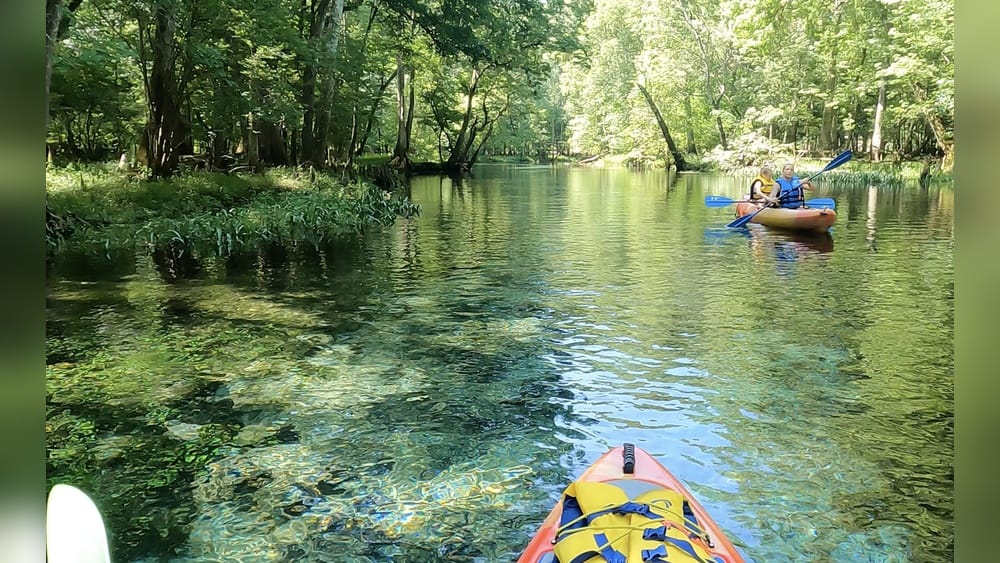
Kayaking is an adventure that blends fitness, nature, and fun. But if you are planning a trip, one question often comes up: How long does it take to kayak 8 miles? The answer isn’t as simple as a single number. Many factors influence your time on the water, from the type of kayak you use to the weather you face. Whether you’re a beginner, an experienced paddler, or just curious, understanding these factors will help you plan better and enjoy your journey.
This article looks at the eight most important things that impact how long it takes to kayak 8 miles. You’ll find real examples, data, and practical advice for a safe and enjoyable trip.
1. Paddler’s Experience And Skill Level
Your skill level is probably the biggest factor in how long it takes to kayak 8 miles. Beginners often paddle at a slower, steady pace. They need to focus on technique and may take more breaks. Experienced kayakers have better control, stronger strokes, and can keep a faster, more efficient rhythm.
A beginner might average around 2 miles per hour. That means paddling 8 miles could take about 4 hours. An intermediate or advanced paddler may go at 3–4 miles per hour, finishing 8 miles in 2–2.5 hours. The difference comes from better technique, stamina, and knowing how to handle different water conditions.
Some skills that improve speed are:
- Proper paddle strokes (forward, sweep, draw)
- Efficient turning and steering
- Good posture and body rotation
- Knowing when to rest and when to push
If you’re new, don’t rush. Speed comes with practice, and safety should always be your top priority.
2. Type Of Kayak Used
Not all kayaks are built the same. The design and purpose of your kayak have a big effect on your speed and comfort.
There are three main types for recreational trips:
- Recreational kayaks: Shorter (8–12 feet), wider, stable. Good for beginners and calm water, but slower—usually 2–2.5 mph.
- Touring (sea) kayaks: Longer (12–18 feet), narrower. Designed for speed and distance. Typical speed: 3–4.5 mph.
- Sit-on-top kayaks: Open design, easy to use, but slower than touring kayaks. Average speed: 2–3 mph.
Here’s a comparison of typical speeds:
| Kayak Type | Average Speed (mph) | Estimated Time for 8 Miles |
|---|---|---|
| Recreational | 2.0 | 4 hours |
| Touring/Sea | 3.5 | 2 hours 17 min |
| Sit-on-top | 2.5 | 3 hours 12 min |
A key insight: Longer, narrower kayaks move faster and track straighter, but may feel less stable to beginners. Always choose a kayak that matches your skill and comfort.
3. Water Conditions And Currents
The water you paddle on makes a huge difference. Flat, calm lakes offer the easiest conditions. But rivers, tidal areas, or coastal waters bring more challenges.
- Downstream on a river: The current helps you go faster. A river with a 2 mph current can cut your time by 25–40%.
- Uphill (against the current): Expect the opposite. You’ll work harder, and your speed may drop by half.
- Wind and waves: Strong wind in your face slows you down. Side winds can make steering tough. On open water, even small waves can sap your energy.
This table shows how currents change your travel time:
| Condition | Speed (mph) | 8-Mile Trip Time |
|---|---|---|
| Calm lake | 2.5 | 3 hours 12 min |
| With 2 mph current | 4.5 | 1 hour 47 min |
| Against 2 mph current | 0.5 | 16 hours |
A non-obvious tip: Sometimes, paddling early in the morning gives you calmer water and less wind.
4. Weather Conditions
Weather can speed up or slow down your journey. Wind is the biggest factor. A tailwind (wind at your back) makes paddling easier and faster. A headwind (wind in your face) can slow you down a lot.
- Light wind (under 5 mph): Small effect.
- Moderate wind (5–15 mph): Noticeable. Slows you by 20–40%.
- Strong wind (over 15 mph): Can make kayaking unsafe for beginners.
Rain usually doesn’t slow you much, but cold or stormy weather can be dangerous. Always check the weather before you go, and remember that conditions can change fast, especially on large lakes or the ocean.
A good practice is to bring extra layers, even if the day starts sunny. Hypothermia can happen quickly if you get wet and cold.

Credit: www.floridastateparks.org
5. Physical Fitness And Endurance
Your fitness level affects how long you can keep paddling and how tired you get. Kayaking is a full-body workout—arms, shoulders, back, and even legs get involved.
- Fit paddlers can maintain a steady pace, take shorter breaks, and recover faster.
- Less fit paddlers might need more rest, slow down after a few miles, or get sore.
On average, a healthy adult can paddle 8 miles in 2.5–4 hours, depending on breaks and pace. For beginners, planning on 3.5–4 hours is realistic.
A surprising fact: Grip strength and core muscles are more important than arm strength alone. Simple exercises like planks, rowing machines, or resistance bands help you prepare for longer trips.
6. Rest Breaks And Stops
Most people don’t paddle for hours without stopping. Breaks let you stretch, drink water, eat a snack, or just enjoy the view.
The number and length of breaks change your total trip time:
- Short breaks (2–5 minutes): Add 10–20 minutes overall
- Longer stops (10–20 minutes): Add 30–60 minutes
If you’re paddling with a group, breaks may be longer, as everyone waits for the slowest member. It’s smart to plan your route with possible rest spots in mind—beaches, docks, or shaded areas.
An expert tip: Eating small snacks during your trip keeps your energy up and helps avoid fatigue.

Credit: www.reddit.com
7. Group Size And Paddling Style
Paddling alone is different from paddling in a group. Groups move at the speed of the slowest member. Stops tend to be longer, and it takes time to regroup if someone falls behind.
Group trips often include more:
- Chatting and socializing
- Stopping for photos
- Waiting for others to catch up
If everyone is experienced and motivated, you can maintain a good pace. But with mixed skill levels, expect your 8-mile trip to take 20–40% longer than solo paddling.
A helpful strategy: Set clear expectations before you start, and agree on rest points.
8. Gear Weight And Packing
The weight of your kayak and gear makes a difference, especially for longer trips. A heavily loaded kayak sits lower in the water, creating more drag. This means you need more effort to go the same speed.
Common gear that adds weight:
- Extra water and food
- Camping equipment
- Fishing gear
- Safety items (life jackets, first aid kits)
For an 8-mile trip, you may not need much gear, but overpacking is a common beginner mistake. Try to keep things light and only bring essentials.
Here’s a quick comparison:
| Gear Weight | Estimated Speed (mph) | 8-Mile Trip Time |
|---|---|---|
| Light (under 10 lbs) | 3.0 | 2 hours 40 min |
| Moderate (10–25 lbs) | 2.5 | 3 hours 12 min |
| Heavy (over 25 lbs) | 2.0 | 4 hours |
A non-obvious tip: Distribute weight evenly in your kayak. This improves balance and makes paddling easier.

Credit: www.aoafun.com
Real-world Examples
To make things clearer, let’s look at two different scenarios:
Example 1: Beginner on a Lake
- Kayak: Recreational, 10 ft
- Water: Calm lake, no wind
- Fitness: Average
- Breaks: Two, 10 minutes each
- Estimated speed: 2 mph
Total time: 8 miles ÷ 2 mph = 4 hours + 20 minutes for breaks = 4 hours 20 minutes
Example 2: Experienced Paddler on a River
- Kayak: Touring, 15 ft
- Water: River, 2 mph current
- Fitness: High
- Breaks: One, 10 minutes
- Estimated speed: 4 mph (kayak) + 2 mph (current) = 6 mph
Total time: 8 miles ÷ 6 mph = 1 hour 20 minutes + 10 minutes for break = 1 hour 30 minutes
As you can see, the same distance can take very different amounts of time.
Planning Your 8-mile Kayak Trip
If you want to enjoy your trip and stay safe, here are some tips:
- Check the weather and water conditions before you go. If you’re unsure, ask local experts.
- Start early to avoid afternoon wind or storms.
- Bring enough water, snacks, and sun protection.
- Tell someone your plan—where you’re going and when you expect to finish.
- Don’t overpack—bring only what you need.
- Paddle at a steady pace. Save energy for the last miles.
- Know your limits. If you feel tired or conditions change, don’t be afraid to turn back.
For more details on kayaking safety and preparation, you can visit the American Canoe Association.
Frequently Asked Questions
How Long Does It Take A Beginner To Kayak 8 Miles?
A beginner usually paddles at 2–2.5 miles per hour. With breaks, it often takes 3.5–4.5 hours to finish 8 miles. Conditions like weather and water currents can add or reduce time.
Can I Kayak 8 Miles If I Have Never Kayaked Before?
It is possible, but not recommended for your first trip. Start with a shorter distance (2–4 miles) to learn basic skills and build endurance. If you attempt 8 miles, go with an experienced group and take plenty of breaks.
Does The Type Of Paddle Affect My Speed?
Yes. Lightweight paddles with the right blade shape make paddling easier and more efficient. Using a heavy or poorly sized paddle can cause fatigue and slow you down, especially over 8 miles.
What Is The Best Time Of Day To Kayak 8 Miles?
Early morning is often the best—calm water, less wind, and cooler temperatures. Afternoon trips may bring wind and boat traffic, which can slow you down and increase your time.
How Do I Train To Paddle Longer Distances Like 8 Miles?
Build up gradually. Practice good technique, improve your core and upper body strength, and do regular cardio exercise. Try shorter trips first, and increase distance as you gain confidence and stamina.
Kayaking 8 miles can be a rewarding challenge. By understanding the eight key factors that impact your speed and planning ahead, you’ll enjoy your time on the water and finish with a smile.