
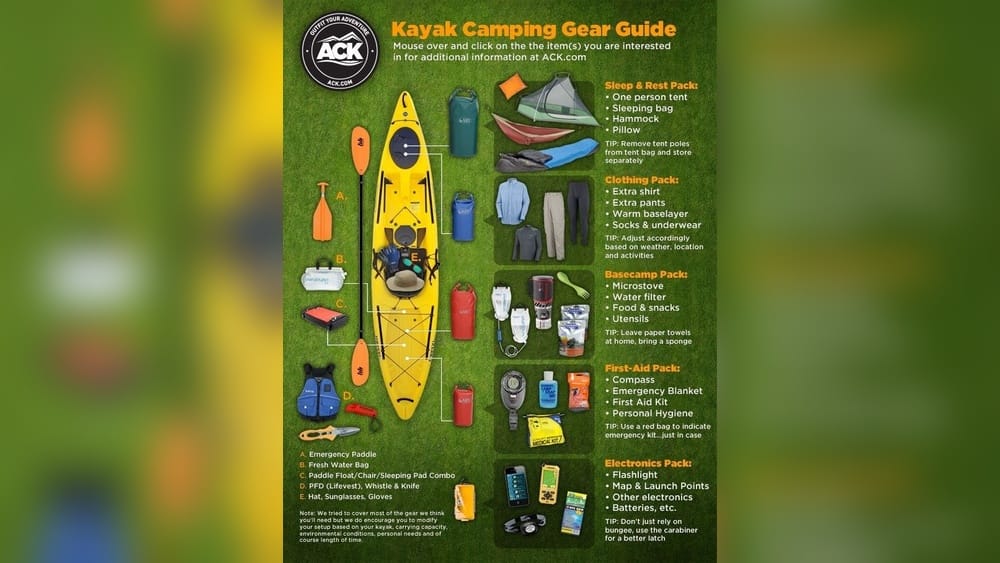
Kayak camping is an exciting way to connect with nature, combining the thrill of paddling with the peace of wilderness camping. Whether you’re planning a quiet weekend on a local river or a multi-day adventure on a remote lake, packing smart makes all the difference. The right gear keeps you safe, comfortable, and ready for surprises. However, space is limited, and every item must earn its place. Many beginners overpack or forget essentials, leading to discomfort or even danger. This guide shows you how to pack for kayak camping like a pro, from choosing the right bags to balancing weight and safety.
Understanding Kayak Camping Challenges
Kayak camping is different from car or backpack camping. You have to fit everything into your kayak’s small storage spaces. Your gear must stay dry, even if your boat tips over. And you need to be ready for changing weather, water conditions, and emergencies.
For example, a loaded sea kayak has about 100–150 liters of storage, far less than a car trunk. Pack too much, and your kayak becomes heavy and hard to control. Forget key items, and you may end up cold, wet, or hungry.
Careful planning is your best friend.
Choosing The Right Bags And Containers
Keeping gear dry is essential. Use dry bags of different sizes and colors to organize and protect items. A few small dry bags are better than one huge bag—they fit easier into hatches and help with balance.
Here’s a quick comparison of common bag types for kayak camping:
| Bag Type | Best For | Waterproof? | Drawbacks |
|---|---|---|---|
| Dry Bag | Clothes, sleeping bag, food | Yes | Can puncture if dragged |
| Mesh Bag | Wet gear, quick access | No | Not suitable for valuables |
| Plastic Bin | Cooking equipment | Only if sealed well | Bulky, hard to fit |
Use zippered freezer bags for extra protection for electronics or important papers. Always check for leaks before your trip. If possible, bring a small repair kit for bags.

Credit: www.reddit.com
Essential Gear For Kayak Camping
Packing for kayak camping means balancing safety, comfort, and weight. Here’s what you’ll need:
1. Paddle And Backup Paddle
A strong, light kayak paddle is your main tool. Always bring a spare, in case your main paddle breaks or floats away.
2. Personal Flotation Device (pfd)
Wear a properly fitted PFD at all times. Choose one designed for kayaking, with pockets for small essentials like a whistle or knife.
3. Tent Or Shelter
Pick a lightweight, compact tent or bivy sack. Make sure it fits in your kayak hatch. A tarp can be a backup in bad weather.
4. Sleeping Bag And Pad
Choose a synthetic sleeping bag (stays warm even if wet) and a compact sleeping pad. Compress them into small dry bags.
5. Cooking Gear
Bring a portable stove, small fuel canister, lighter, and matches in a dry bag. Include a lightweight pot, spoon, and cup. Avoid bulky kitchen sets.
6. Food And Water
Plan simple meals—like oatmeal, pasta, or dehydrated foods. Bring extra snacks for emergencies. For water, carry at least 3 liters per person per day, plus a water filter or purification tablets.
7. Clothing
Pack for layering. Use moisture-wicking base layers, a warm mid-layer (like fleece), and a waterproof shell. Bring a sun hat, warm hat, gloves, and extra socks. Avoid cotton—it stays wet and cold.
8. Navigation
A waterproof map, compass, and GPS (if you have one) are musts. Don’t rely on your phone alone—batteries die, and water destroys electronics.
9. Safety And Repair Kit
Include a first aid kit, duct tape, zip ties, a multi-tool, and spare parts for your kayak (like a rudder pin). A sponge and small bilge pump help remove water from the kayak.
10. Lighting
Bring a headlamp and extra batteries. A small lantern adds comfort at camp. A waterproof flashlight is good for emergencies.
11. Personal Items
Sunscreen, insect repellent, toilet paper, and a trowel are basic needs. Pack all toiletries in sealable bags.
Packing Strategy: Fitting Everything In Your Kayak
How you pack matters as much as what you pack. Your goal is to balance weight and keep essentials easy to reach.
Weight Distribution
Heavy items (water, food, stove) should go low and near the center of the kayak. This keeps your boat stable. Lighter things (clothes, sleeping bag) fit in the ends.
Accessibility
Pack first aid kit, snacks, water, and rain gear in the cockpit or day hatch, where you can grab them quickly. Stow your sleeping bag, pad, and extra clothes deeper, since you’ll only need them at camp.
Here’s a sample packing layout for a typical sea kayak:
| Area | What to Pack |
|---|---|
| Bow Hatch | Sleeping bag, pad, extra clothes |
| Stern Hatch | Tent, cooking gear, food |
| Day Hatch/Cockpit | First aid, water, snacks, rain gear |
Compression And Organization
Roll clothes and sleeping bags tightly. Use color-coded bags—red for food, blue for clothes, green for first aid. This saves time at camp and helps you find things quickly.
Food And Cooking Tips
Kayak camping food should be light, easy to cook, and safe from water. Try to avoid cans (heavy, hard to pack out) and bring food in resealable bags.
Typical meal plan for two days:
- Breakfast: Instant oatmeal, dried fruit, coffee or tea
- Lunch: Tortillas, cheese, peanut butter, jerky
- Dinner: Dehydrated meal or pasta, olive oil, hard sausage
- Snacks: Trail mix, energy bars, chocolate
Always pack a bear canister or hang food if camping in bear country. Wash dishes 60 meters (200 feet) from water to protect the environment.
Clothing: Dress For Water, Not Just Weather
One mistake many beginners make is dressing for the air temperature, not the water temperature. Water cools your body much faster than air. If you capsize, cotton clothes get cold and heavy.
Choose synthetic or wool layers. Wear a wetsuit or drysuit in cold water. Even in summer, nights can be chilly, so always bring a warm layer and rain gear.
Safety, Emergencies, And Leave No Trace
Kayak camping is safe if you’re prepared. Check weather and river/lake conditions before you go. Tell someone your plan and expected return time.
Carry a whistle, signal mirror, and, if possible, a waterproof VHF radio. Know basic rescue skills. Practice getting back into your kayak from the water.
Follow Leave No Trace rules: pack out all trash, minimize campfire impact, and respect wildlife.
Kayak Camping Packing Mistakes To Avoid
Many first-timers make similar errors. Here are some common ones:
- Overpacking—Bringing too many clothes or luxury items makes the kayak heavy and hard to handle.
- Underestimating the cold—Not packing enough warm layers or rain gear leads to misery if weather changes.
- Poor food planning—Forgetting extra snacks or emergency rations can leave you hungry if the trip is delayed.
- Bad weight balance—Packing all heavy items in one hatch makes the kayak unstable.
- Ignoring dry bags—Packing without waterproofing risks losing key gear if you capsize.
- Relying on electronics—Phones can fail; always have a backup map and compass.
Packing For Different Conditions And Trip Lengths
Short overnight trips need less gear, but longer journeys require more planning. On trips over three days, plan for extra water purification, backup meals, and repair supplies.
For cold-weather trips, add a dry suit, extra gloves, and thicker sleeping bag. In hot climates, focus on sun protection and water.
Here’s how gear needs change with trip length:
| Trip Length | Extra Items Needed |
|---|---|
| 1–2 Nights | Basic food, water, first aid |
| 3–5 Nights | Backup stove, more water treatment, extra clothes |
| 6+ Nights | Repair kit, resupply plan, more navigation tools |
Two Insights Many Beginners Miss
First, test-pack your kayak at home. Many people discover their gear doesn’t fit only when they reach the water. Load your kayak, then unload and repack to practice. You’ll spot problems early.
Second, keep a “ditch kit”—a small bag with essentials (whistle, knife, energy bar, water, emergency blanket) tied to your PFD. If you get separated from your kayak, this could save your life.

Credit: www.hobie.com
Final Packing Checklist
Before you launch, review this quick checklist:
- Paddle and spare paddle
- PFD (worn, not packed)
- Tent/shelter and stakes
- Sleeping bag and pad (in dry bag)
- Stove, fuel, lighter, and matches
- Food for all meals plus snacks
- Water bottles and filter/purifier
- Layered clothing (packed in dry bags)
- Waterproof map and compass
- First aid kit and repair items
- Headlamp and extra batteries
- Sunscreen, bug spray, toiletries
- Trash bags for all waste
- Emergency whistle, mirror, and “ditch kit”
Frequently Asked Questions
What Size Dry Bags Do I Need For Kayak Camping?
A mix of 5L, 10L, and 20L dry bags works best. Small bags fit into tight spaces, while a larger bag can hold your sleeping bag or clothes. Avoid giant bags—they’re hard to pack and can trap air, making loading awkward.
How Much Water Should I Bring For A Two-day Trip?
Bring at least 3 liters per person per day, plus extra for cooking. Even if you plan to filter water, always carry backup. Rivers and lakes can look clean but may have bacteria or chemicals.
How Do I Keep My Electronics Safe?
Use double dry-bagging for electronics, and pack them deep inside the kayak. Consider waterproof phone cases. Never rely on one layer of protection. And keep spare batteries in a sealed bag.
What Should I Do If My Kayak Capsizes With All My Gear?
Practice deep-water re-entry before your trip. Make sure all gear is tied down or clipped in. If you flip, stay calm, get back in, and collect floating items quickly. A paddle float can help with re-entry.
Where Can I Learn More About Kayak Camping Safety And Skills?
Check out the resources from the American Whitewater Association for detailed guides on safety, packing, and trip planning.
Kayak camping rewards careful preparation. By packing smart and respecting nature, you’ll enjoy the peace of wild places—and return with stories worth sharing.

Credit: milespaddled.com