
Kayaking brings adventure, peace, and a close connection to water. But even the toughest kayaks can get damaged. Sharp rocks, sudden drops, or simple wear can cause cracks, holes, and other issues. Fixing your own kayak might sound hard, but it’s very possible for most people.
With some guidance, the right tools, and patience, you can get your boat back on the water quickly—often stronger than before.
This guide explains how to fix a kayak step by step. Whether you have a plastic sit-on-top, a fiberglass touring model, or an inflatable, you’ll learn how to handle the most common problems. We’ll cover how to spot damage, gather materials, and make repairs that last.
Plus, you’ll get tips that most beginners miss, so you don’t repeat common mistakes. By the end, you’ll feel confident repairing your own kayak and extending its life.
Understanding Kayak Damage
Before you fix anything, you need to know what you’re dealing with. Kayaks are made from different materials, and each one requires a specific approach.
- Plastic kayaks are usually made from polyethylene. They’re tough but can crack or get gouged.
- Fiberglass kayaks are lighter and faster but can chip or split.
- Inflatable kayaks use tough fabric, but can puncture or rip.
The most common types of damage are:
- Cracks – Often from impacts or stress over time.
- Holes – Caused by sharp objects or dragging the kayak.
- Gouges and scrapes – Usually cosmetic, but deep ones can weaken the hull.
- Leaking seams or valves – Especially in inflatables.
Tip: Even small cracks can let in a lot of water. Don’t ignore them.
Tools And Materials You’ll Need
Getting the right tools makes the job easier and safer. Here’s what most repairs require:
- Protective gloves
- Sandpaper (80 and 120 grit)
- Plastic weld kit or marine-grade epoxy
- Fiberglass repair kit (if needed)
- Heat gun (for plastic repair)
- Utility knife
- Acetone (for cleaning)
- Clamps
- Clean rags
- Masking tape
For inflatable kayaks, you’ll also need:
- Patch kit (usually comes with the kayak)
- Inflatable boat glue
Pro insight: Don’t skip the cleaning step. Dirt, grease, or even sunscreen can stop repairs from sticking.

Credit: www.youtube.com
Assessing The Damage
Start by cleaning the area with warm water and mild soap. Dry it completely. Inspect closely for:
- Size and shape of the crack or hole
- Any flexing or soft spots around the area
- Multiple cracks (sometimes there’s more than one)
Mark the damaged areas with a marker or masking tape. If you see water inside your kayak, make sure to dry it out before repairing.
Beginner mistake: Only fixing what you see. Check the inside and outside—sometimes cracks go all the way through.
Fixing A Plastic Kayak
Repairing Small Cracks And Gouges
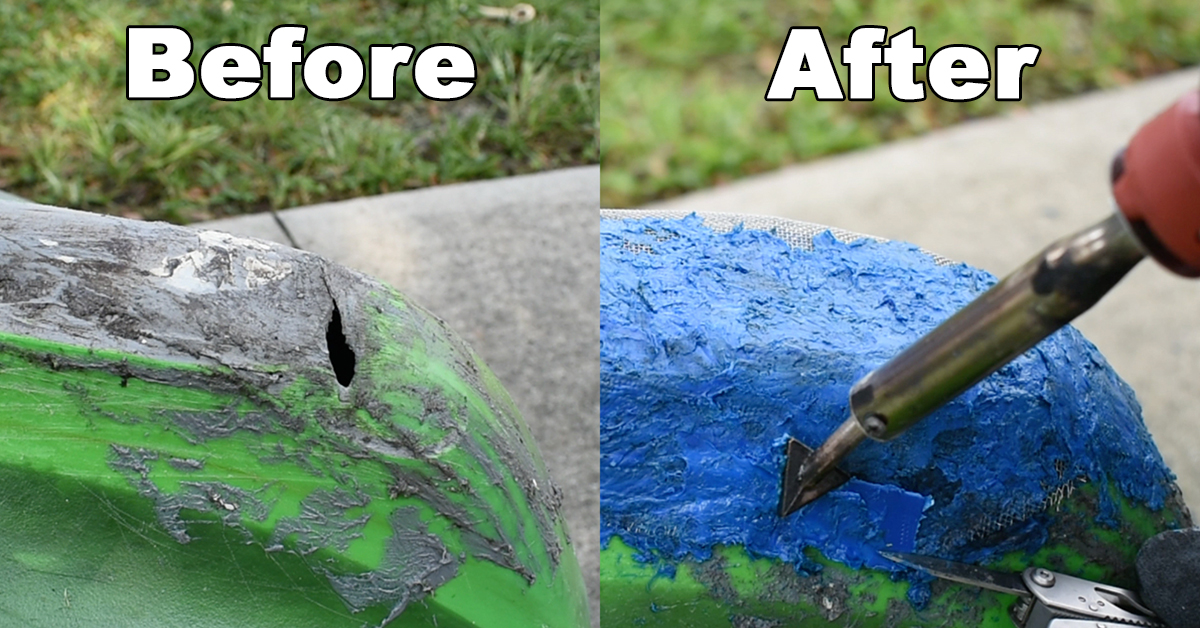
Small cracks less than 2 cm (about 1 inch) can often be fixed with plastic welding or marine epoxy.
- Sand the area about 5 cm (2 inches) around the crack. This helps the repair stick.
- Clean with acetone and let dry.
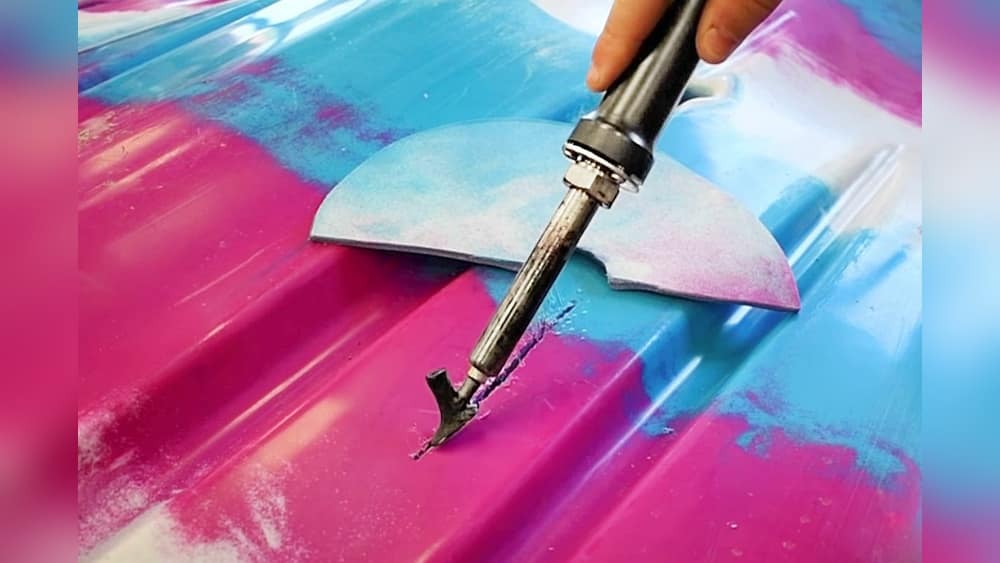
- Heat the crack gently with a heat gun (if using plastic weld), then apply the welding rod until melted and blended in.
- For epoxy: Mix according to instructions, apply over the crack, and smooth with a putty knife.
- Let it cure fully—usually 6-8 hours.
Repairing Large Cracks Or Holes
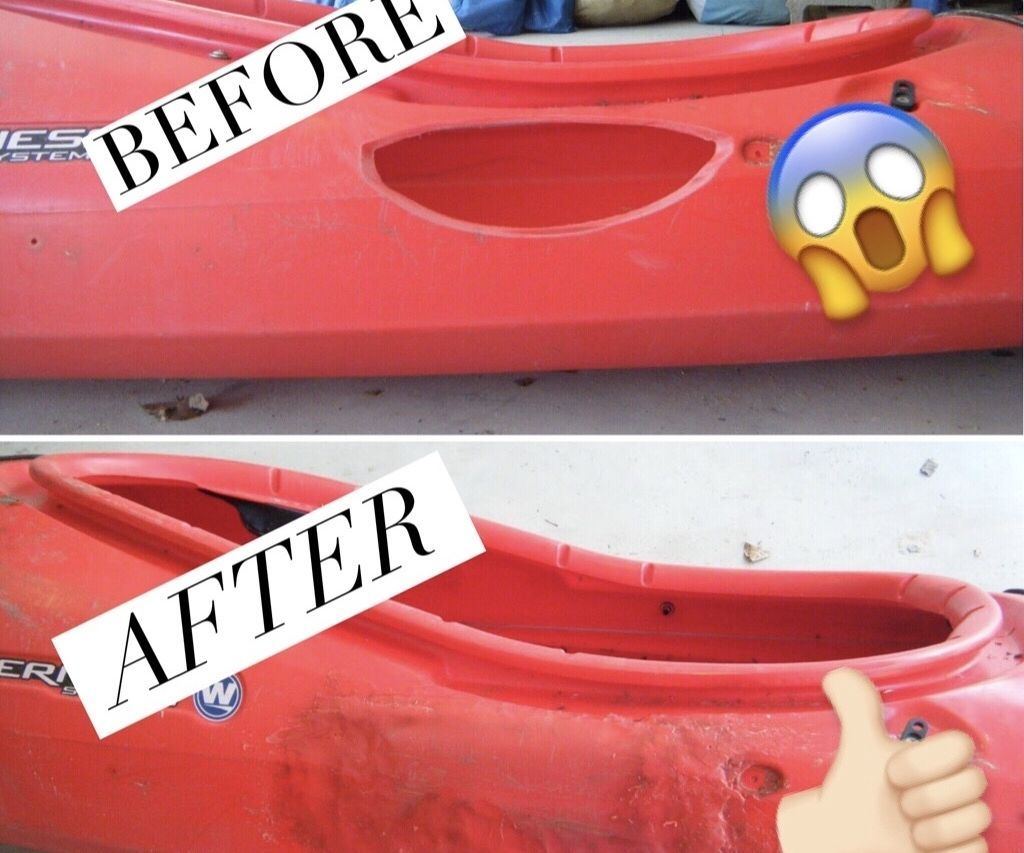
For holes larger than 2 cm, you’ll need a patch.
- Cut a plastic patch from a similar material (often included in repair kits).
- Sand and clean the area as before.
- Heat both the patch and kayak with a heat gun, pressing the patch into place.
- Melt the edges together, smoothing with a metal spoon.
- Cool and check for leaks.
Pro insight: Always use a patch that matches your kayak’s plastic. Different plastics don’t bond well.
Repairing A Fiberglass Kayak
Fiberglass repair is a bit different but very effective.
- Sand the damaged area until you see the glass fibers.
- Cut fiberglass cloth about 2-3 cm larger than the crack or hole.
- Mix the resin and hardener from the repair kit.
- Apply resin over the crack, lay the fiberglass cloth, then saturate with more resin.
- Smooth out bubbles with a brush or roller.
- Let cure for 24 hours.
- Sand the patch smooth and paint if desired.
Tip: Fiberglass repairs often look messy at first. Sanding makes all the difference.
Fixing An Inflatable Kayak
Inflatable kayaks are usually repaired with patches and glue.
- Inflate the kayak slightly to see the leak.
- Mark the hole with a pen.
- Deflate and clean the area with alcohol.
- Cut a patch at least 2.5 cm (1 inch) larger than the hole.
- Apply glue to both patch and kayak, wait a few minutes, then press together.
- Hold with pressure for 10-15 minutes.
- Wait 24 hours before inflating fully.
Beginner mistake: Skipping the waiting time. The glue needs to cure for a waterproof seal.
Credit: www.saltstrong.com
Replacing Fittings And Hardware
Broken handles, seat mounts, or foot braces can cause big problems.
- Remove old hardware with a screwdriver or wrench.
- Clean the area of old sealant.
- Install new hardware using stainless steel bolts and marine sealant.
- Check for leaks by filling the kayak with a little water.
Tip: Use stainless steel or marine-grade hardware to prevent rust.
Sealing Leaks And Testing
After repairs, always test for leaks:
- Fill the kayak with a little water and check for drips.
- For inflatables, spray soapy water and look for bubbles.
If you see leaks, dry and repeat the repair process.
Credit: www.instructables.com
Table: Kayak Material Vs. Repair Method
Here’s a quick way to match your kayak’s material with the right repair technique:
| Kayak Material | Typical Damage | Best Repair Method |
|---|---|---|
| Polyethylene (Plastic) | Cracks, gouges, holes | Plastic welding, epoxy, patches |
| Fiberglass | Chips, splits | Fiberglass cloth & resin |
| Inflatable (PVC, rubber) | Punctures, seam leaks | Patch kits, glue |
Table: Typical Repair Times
How long will each type of repair take? Use this guide to plan your fix.
| Repair Type | Prep Time | Cure/Dry Time | Total Time |
|---|---|---|---|
| Plastic crack (epoxy) | 15 min | 6-8 hrs | 6-9 hrs |
| Fiberglass patch | 30 min | 24 hrs | 25 hrs |
| Inflatable patch | 10 min | 24 hrs | 24.5 hrs |
When To Seek Professional Help
Some damage is too severe or risky to fix at home:
- Large holes bigger than 10 cm (4 inches)
- Extensive cracks along the hull
- Structural warping or soft spots
In these cases, contact a local kayak shop or manufacturer. They have specialized tools and can help you decide if the kayak is worth repairing.
Maintenance To Prevent Future Damage
Regular care keeps your kayak strong:
- Rinse off saltwater and sand after every trip.
- Store away from direct sunlight; UV rays weaken plastic and fabric.
- Use kayak carts—dragging causes hidden scrapes.
- Inspect for damage before and after each trip.
Non-obvious tip: Temperature swings can cause tiny cracks to grow. Store your kayak where it won’t freeze or overheat.
Mistakes To Avoid
Many new paddlers make these errors:
- Using the wrong glue or patch material for their kayak.
- Not waiting long enough for the repair to cure.
- Overheating plastic, which can warp the hull.
- Ignoring small cracks—they often grow larger.
If you’re not sure about a repair, ask an expert or check the manufacturer’s website for recommendations.
Table: Common Kayak Repair Kits
Here are some popular repair kits and what they include:
| Kit Name | For Kayak Type | Main Contents |
|---|---|---|
| West System 105 | Fiberglass | Epoxy resin, hardener, mixing tools |
| G/flex Epoxy Kit | Plastic/Fiberglass | Epoxy, applicators, alcohol pads |
| Inflatable Boat Patch Kit | Inflatable | Patches, glue, roughing tool |
Getting The Most From Diy Repairs
Fixing your own kayak saves money and teaches you about your gear. But remember, some repairs take practice. Try fixing an old kayak first if you’re nervous. Always read instructions for repair kits carefully—each brand can be a little different.
For a deeper understanding of kayak materials and repair methods, check resources like the Wikipedia Kayak article.
Frequently Asked Questions
How Can I Tell If My Kayak Repair Is Waterproof?
After the repair has cured, fill the inside of the kayak with a few liters of water and watch for drips. For inflatables, spray soapy water over the patch and inflate—bubbles mean a leak.
What’s The Best Glue For Repairing Kayaks?
For plastic or fiberglass, use marine-grade epoxy. For inflatables, use glue designed for PVC or Hypalon fabric. Using the wrong glue will cause the patch to fail.
Can I Fix A Kayak If It’s Cracked Along A Seam?
Seam cracks are tricky. For plastic kayaks, try plastic welding. For fiberglass, use resin and cloth. But if the seam is very long or the hull is warped, see a professional.
How Long Do Kayak Repairs Last?
A good repair can last for years if done well and not exposed to extreme weather. Regular checks after repairs help spot problems early.
Is It Worth Fixing A Very Old Or Heavily Damaged Kayak?
It depends on the cost and your use. For sentimental or learning value, repair it. For heavy use or resale, replacing might be smarter.
Kayak repairs might seem challenging, but with the right steps, you’ll keep paddling safely. Take care of your kayak, fix problems early, and you’ll enjoy many adventures ahead.