
Paddleboarding Vs Kayaking: Which Water Adventure Suits You Best?
Imagine gliding quietly over a calm lake as the sun rises, or racing down a lively river with water splashing around you. For many, this is the magic of paddleboarding and kayaking. Both sports have grown in popularity, offering a unique mix of exercise, relaxation, and adventure. But if you’re new to these water sports, you might wonder: which one is right for you?
This article will guide you through everything you need to know about paddleboarding and kayaking. We’ll look at how each sport works, the skills you need, the gear required, the physical benefits, and what kind of adventures you can expect.
Whether you want a peaceful outing or a thrilling challenge, you’ll find clear answers here. By the end, you’ll know exactly which sport fits your goals, lifestyle, and preferences.
What Is Paddleboarding?
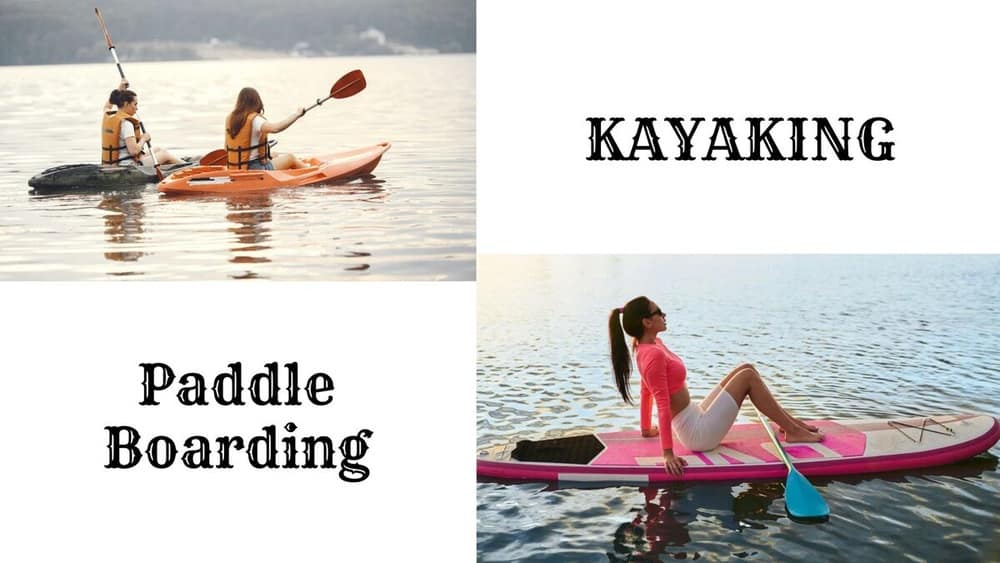
Paddleboarding, often called stand-up paddleboarding (SUP), involves standing or kneeling on a large board and using a single long paddle to move across the water. The board is wide and stable, making it easy to balance, even for beginners. Paddleboarding can be done on lakes, rivers, or oceans, and people use it for exercise, sightseeing, yoga, or even fishing.
How Paddleboarding Works
You start by placing your board in shallow water and kneeling on it. Once balanced, you stand up slowly, holding the paddle with both hands. You push the paddle into the water on one side, then switch to the other, using your whole body to glide forward.
The upright position gives you a great view and makes it easy to spot fish, birds, or interesting sights.
Types Of Paddleboarding
- Recreational SUP – For casual paddling on flat water.
- SUP Yoga – Practicing yoga poses on the board.
- SUP Surfing – Catching waves on the ocean.
- SUP Touring – Long-distance trips, sometimes with gear.
- SUP Racing – Competitive, fast-paced paddling.
Each type needs a slightly different board design, but the basics remain the same.
Paddleboarding Appeal
People love paddleboarding for the sense of freedom and calm it brings. Standing tall on the water, you feel connected to nature and can explore places that are hard to reach by land. It’s also a great full-body workout, using your legs, core, and arms.
What Is Kayaking?
Kayaking is another popular water sport, but instead of standing, you sit inside or on top of a small boat called a kayak. You use a double-bladed paddle, dipping each end into the water in turn. Kayaks come in many shapes and sizes, designed for calm lakes, swift rivers, or ocean waves.
How Kayaking Works
After sitting down in the kayak, you hold the paddle with both hands, dipping one blade on the right side, then the other on the left. This motion moves you forward and helps you steer. Some kayaks have closed decks (where your legs go inside) and others are open (sit-on-top).
Types Of Kayaking
- Recreational Kayaking – Calm water, easy to learn.
- Whitewater Kayaking – Fast rivers and rapids.
- Sea Kayaking – Open water, long distances.
- Touring Kayaking – Exploring lakes and rivers.
- Fishing Kayaks – Stable boats with extra features.
Each type of kayak has a unique design, but the basic technique is similar.
Kayaking Appeal
Kayaking gives you speed, control, and the ability to cover long distances. You stay close to the water, making it easy to spot wildlife or sneak into hidden coves. For those who want excitement, whitewater kayaking brings an adrenaline rush.
Comparing The Gear: Paddleboarding Vs Kayaking
Both sports require some basic equipment, but there are important differences.
| Feature | Paddleboarding | Kayaking |
|---|---|---|
| Main Equipment | SUP board, single-blade paddle | Kayak, double-blade paddle |
| Personal Flotation Device | Recommended | Essential |
| Storage | Deck bungees, dry bags | Hatches, sealed compartments |
| Transport | Often inflatable and easy to carry | Heavier, may need roof rack |
| Extra Gear | Leash, sun protection | Spray skirt (for closed kayaks), dry suit |
Paddleboards are bigger and lighter, often inflatable, and simple to transport. Kayaks can be heavier and need more planning to move, especially if you have a hard-shell model. Kayaks often come with more built-in storage for gear.
Skill Level And Learning Curve
One of the first questions beginners ask is: which sport is easier to learn?
Paddleboarding: Balance And Simplicity
Most new paddlers can learn basic SUP skills in just one session. The wide, stable boards make standing up less scary than it looks. You don’t need much experience to paddle in calm water. The main challenge is balance, especially if there are waves or wind.
Non-obvious tip: Many beginners forget to keep their knees slightly bent and their feet shoulder-width apart. This small adjustment makes balancing much easier, especially in choppy water.
Kayaking: Technique And Control
Kayaking is also beginner-friendly, but it involves learning to control the boat with your hips and paddle strokes. Sitting low makes it harder to tip over, but you must practice getting in and out, especially with closed-deck models. In rough water, you’ll need to learn how to brace with your paddle or even roll the kayak upright.
Non-obvious insight: New kayakers often grip the paddle too tightly, which leads to tired arms. Relaxing your grip and using your core improves both comfort and control.
Which Is Better For Beginners?
If your main goal is fun and easy learning on flat water, both sports work well. Paddleboarding feels more open and exposed, while kayaking gives a secure, seated feeling.
Physical Benefits: Which Gives A Better Workout?
Both paddleboarding and kayaking are excellent for your health, but they train your body in different ways.
Paddleboarding Workouts
SUP uses almost every muscle group. Standing and balancing on the board makes your core, legs, and back work constantly. Your arms and shoulders drive the paddle, but your legs and hips stabilize the board. A one-hour paddle can burn between 330 and 460 calories for a 70 kg (155 lb) person, depending on speed and conditions.
Kayaking Workouts
Kayaking focuses more on the upper body, especially your shoulders, arms, chest, and back. Your core muscles twist with each stroke. Legs provide support, but you don’t use them as much as in paddleboarding. In a moderate session, you can burn 300 to 500 calories per hour.
Practical note: SUP is better if you want a full-body workout or to improve balance. Kayaking is great for building arm and shoulder strength.
Adventure And Exploration Possibilities
Where can each sport take you? The answer depends on your goals.
Paddleboarding Destinations
SUPs are perfect for:
- Flat lakes and gentle rivers
- Exploring coastlines and bays
- Practicing yoga or stretching
- Short day trips
Because you stand high, you can see underwater life and enjoy the scenery. Some people use paddleboards for multi-day touring, but you’re more exposed to wind and waves.
Kayaking Destinations
Kayaks are better for:
- Long trips with gear
- Whitewater rivers and rapids
- Open ocean journeys
- Fishing in hard-to-reach spots
Kayaks protect you from splashes and wind, letting you paddle in colder weather or rougher water. Their storage makes multi-day camping trips possible.
Real-world Examples
Some of the world’s best SUP spots include Lake Tahoe (USA), Lake Bled (Slovenia), and the Croatian coastline. Kayaking is famous in places like the Grand Canyon (USA), Norway’s fjords, and the Amazon River.

Credit: www.aquaplanetsports.com
Safety Considerations
Staying safe on the water is always important.
Paddleboarding Risks
- Falling into the water is common, but easy to recover from.
- Wind can push you far from shore.
- Sunburn and dehydration are risks since you’re exposed.
- Always use a leash to avoid losing your board.
Kayaking Risks
- Capsizing in rough water can be dangerous, especially in cold conditions.
- Getting trapped in a closed-deck kayak is rare but possible.
- Strong currents and underwater obstacles are risks.
- Always wear a personal flotation device and learn basic self-rescue.
Key advice: Both sports are safest with a buddy, but if you go alone, tell someone your plan and check the weather forecast.
Cost And Accessibility
Is paddleboarding or kayaking more affordable? The answer depends on what you buy.
| Item | Paddleboarding | Kayaking |
|---|---|---|
| Beginner Package | $300–$700 (inflatable board, paddle, leash) | $250–$800 (recreational kayak, paddle, life vest) |
| High-End Gear | $900–$2,000+ | $1,000–$3,000+ |
| Rental (per hour) | $15–$30 | $15–$40 |
| Storage | Easy (inflatable fits in car/closet) | Needs garage/roof rack for hard-shell |
Tip: Inflatable SUPs and kayaks have made both sports much more accessible. Beginners can try before buying by renting equipment at a local lake or beach.
Social And Lifestyle Factors
Choosing between paddleboarding and kayaking isn’t just about the water—it’s about the experience you want.
Paddleboarding Social Scene
SUP is often more social, with people paddling together, talking, or even practicing yoga in groups. You can easily bring a child, dog, or picnic on the board.
Kayaking Community
Kayaking draws a mix of solo adventurers and group tours. Whitewater kayaking is often a team effort, with safety support in place. Fishing kayaks are popular with anglers who want a quiet day alone.
Family And Kids
Both sports can be family-friendly. There are tandem kayaks and giant SUPs for multiple riders. SUP feels less confining for kids, but kayaks are safer in rough water.
Insider tip: Some families use a mix—parents in kayaks, kids on paddleboards—so everyone enjoys their favorite style.
Environmental Impact
Many people care about how their hobby affects nature. Both paddleboarding and kayaking are low-impact sports, but there are small differences.
Paddleboarding And Nature
SUPs leave almost no mark on the water. You can paddle quietly, getting close to wildlife without disturbing them. However, carrying your board through sensitive shorelines can harm plants, so use designated entry points.
Kayaking And The Environment
Kayaks are also gentle on the ecosystem. Plastic and fiberglass boats last many years, but eventually need to be recycled. Responsible kayakers avoid dragging boats over rocks or coral.
Worth knowing: Inflatable gear is often made with PVC, which is less eco-friendly than some hard-shell models. Look for eco-certified products if this matters to you.
Weather And Season Considerations
Your local climate affects which sport is more practical.
Paddleboarding In Different Seasons
SUP is best in warm weather, since you’ll probably fall in the water. Wetsuits are possible, but standing exposed to wind can get cold.
Kayaking Year-round
Kayaking is more flexible in cool or cold weather. With a dry suit and spray skirt, you can paddle year-round, even in chilly places.
Important note: Don’t underestimate the wind. Both sports are harder in strong wind, but SUPs are especially affected because you stand tall.
Transport And Storage
Getting your gear to the water is a big factor for many people.
Paddleboarding Transport
Inflatable paddleboards fit in a car trunk or even a backpack. Hard boards need a roof rack or trailer.
Kayaking Transport
Inflatable kayaks are similar to SUPs in portability. Hard-shell kayaks are heavier and may need two people to lift.
Storage At Home
If you have limited space, inflatables are a good choice. Hard-shell gear may require a garage, shed, or special rack.

Credit: www.discountramps.com
Customization And Versatility
How Much Can You Adapt Your Gear To Your Needs?
Paddleboard Customization
SUPs can be fitted with:
- Extra deck bungees for bags
- Fishing rod holders
- Mounts for GoPro cameras
But space is limited compared to a kayak.
Kayak Customization
Kayaks allow:
- Rod holders, GPS, fish finders (for fishing)
- Sealed storage for food and camping gear
- Adjustable seats and foot braces
You can turn a kayak into a floating campsite, fishing platform, or speed machine.
Common Beginner Mistakes
Learning from others’ errors can save time and trouble.
Paddleboarding Mistakes
- Standing too far back or forward on the board, making it tip
- Using arms instead of core to paddle—leads to quick fatigue
- Forgetting sun protection, especially feet and legs
Kayaking Mistakes
- Not adjusting the foot braces, leading to poor control
- Paddling with only arms, not using core muscles
- Wearing the life vest loosely, which can be dangerous if you capsize
Pro advice: Take a short lesson from a certified instructor. It speeds up learning and prevents bad habits.
Which Sport Is Right For You?
The answer depends on your goals, location, and interests.
- Choose paddleboarding if you want a relaxing, social, and full-body workout experience. It’s perfect for flat water, families, and those who enjoy being in the sun.
- Choose kayaking if you prefer speed, adventure, or exploring rougher water. It’s better for long-distance trips, fishing, and year-round use.
If you’re unsure, try renting both for a day. Many outdoor centers offer lessons and guided tours. Sometimes, the best choice is to enjoy both sports as your mood and weather change.
For more details on water safety and sport guidelines, you can check resources from the Wikipedia Paddleboarding page.
Frequently Asked Questions
What Is Easier To Learn: Paddleboarding Or Kayaking?
For most people, paddleboarding feels easier on flat, calm water because the board is wide and stable. However, balancing while standing does take practice. Kayaking is simple to start with, especially on calm water, but learning to steer and control the boat may take a bit longer.
Can I Use Paddleboards And Kayaks In The Ocean?
Yes, both sports work in the ocean. Kayaks are better for rough water and long distances because they protect you from splashes and wind. Paddleboards are fun for calm bays or surf zones, but wind and waves make them more challenging.
Which Is Better For Exercise And Fitness?
Paddleboarding gives a strong full-body workout, especially for your core and legs. Kayaking focuses more on arms, shoulders, and core. Both sports burn similar calories, so the best choice is the one you enjoy most and will do regularly.
Is Paddleboarding Or Kayaking Safer For Kids?
Both sports can be safe for children with the right equipment and supervision. Kayaks may feel more secure in rough water, while SUPs are open and easy for kids to climb back on if they fall. Always use life vests and stay close to shore.
Do I Need Special Clothing For Paddleboarding Or Kayaking?
Yes. In warm weather, quick-dry shirts and swimwear are best. In cold water, use a wetsuit or dry suit to prevent hypothermia. Kayakers may also use a spray skirt to keep water out of the boat.
Paddleboarding and kayaking both offer memorable ways to enjoy nature, get fit, and have fun. The best sport is the one that makes you excited to get on the water—so grab a paddle and start exploring!

Credit: www.youtube.com