
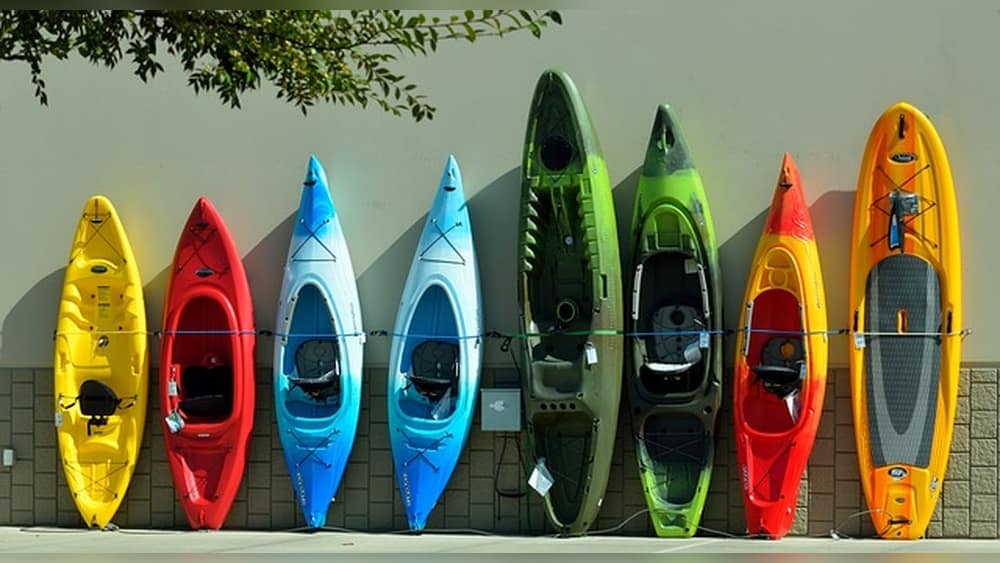
Sea Kayak Vs River Kayak: A Complete Guide For Paddlers
Kayaking is an adventure that calls people to explore nature from a unique view—right on the water. But not all kayaks are the same. When you first step into the world of kayaking, you will quickly hear about sea kayaks and river kayaks. At first, they may look similar, but in reality, they are designed for very different environments and experiences. Choosing the wrong type can turn a fun day on the water into a tiring or even unsafe experience. Understanding the real differences between these two types of kayaks is essential, whether you are a beginner or looking to upgrade your gear.
In this article, you will discover everything you need to know about sea kayaks and river kayaks. You’ll learn how each is built, where they are best used, and what to expect from handling, safety, and costs. You’ll also find practical tips, real-world examples, and common mistakes that many beginners make.
By the end, you’ll have the confidence to choose the right kayak for your next adventure and know what to expect once you hit the water.
What Is A Sea Kayak?
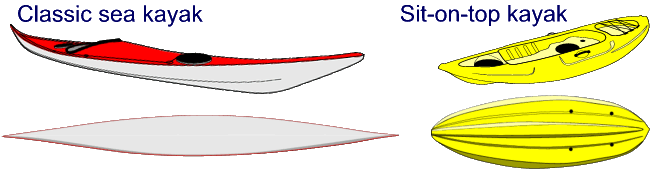
A sea kayak is designed for open water, such as oceans, large lakes, and coastal bays. These kayaks are built to handle waves, wind, and long distances. They usually have a long, narrow shape and a covered deck to keep water out.
The main purpose of a sea kayak is to travel efficiently over long stretches of water. They often have storage compartments for gear, making them ideal for multi-day trips or expeditions. The design focuses on speed, tracking (staying straight), and stability in rougher waters.
Key Features Of Sea Kayaks
- Long and narrow hull (typically 12-18 feet in length)
- Covered cockpit to keep water out
- Rudder or skeg for tracking in wind and waves
- Bulkheads and hatches for dry storage
- Pointed bow and stern to cut through waves
- Deck lines and bungees for extra gear storage
Types Of Sea Kayaks
- Touring Sea Kayaks – Built for long distances and overnight trips. They offer more storage and comfort.
- Day Touring Kayaks – Shorter than touring kayaks, easier to turn, but still good for open water.
- Sit-on-Top Sea Kayaks – Easier to get in and out of, popular for warm climates and fishing.
What Is A River Kayak?
A river kayak is made for moving water, like rivers and streams. These kayaks are shorter, more maneuverable, and often have a flat bottom for quick turns and stability in rapids. They are designed to handle obstacles such as rocks, fallen trees, and fast currents.
River kayaks are used for whitewater, river touring, and playboating (doing tricks in the water). The main focus is on control, quick turns, and durability.
Key Features Of River Kayaks
- Shorter and wider hull (typically 6-10 feet in length)
- Open or semi-open cockpit for fast exits
- Rounded or flat bottom for maneuverability
- Strong, impact-resistant materials for rocky rivers
- Minimal storage (focus on agility, not gear)
Types Of River Kayaks
- Whitewater Kayaks – Built for rapids, short length, and high maneuverability.
- Creek Boats – Slightly longer, more volume for safety in big drops.
- Playboats – Very short, designed for tricks and surfing waves.
- River Runners – Blend of speed and agility, good for longer trips on rivers.
Key Differences Between Sea Kayaks And River Kayaks
To truly understand sea kayak vs river kayak, you need to compare their features, performance, and uses side by side. The table below highlights the main distinctions:
| Feature | Sea Kayak | River Kayak |
|---|---|---|
| Length | 12-18 feet | 6-10 feet |
| Width | Narrow (20-25 inches) | Wide (24-28 inches) |
| Hull Shape | V-shaped/rounded | Flat/rounded |
| Cockpit | Enclosed | Open or semi-open |
| Primary Use | Oceans, lakes, coastal waters | Rivers, rapids, streams |
| Storage | Large (multiple hatches) | Minimal or none |
| Maneuverability | Low (tracks straight) | High (quick turns) |
| Stability | Stable in waves | Stable in moving water |
Design And Construction
The way a kayak is built affects everything from speed to safety. Understanding design is important for making the right choice.
Sea Kayak Design
Sea kayaks are long and narrow. This shape helps them move straight and fast, even when there are waves or wind. The hull is usually V-shaped or rounded, which allows the kayak to cut through water and handle choppy conditions.
The materials used are often fiberglass, plastic (polyethylene), or composite. Fiberglass and composite kayaks are lighter and faster but more expensive. Plastic kayaks are heavier but more durable for rough landings.
Bulkheads (walls inside the kayak) separate the storage from the cockpit. This keeps gear dry and helps the kayak float if it fills with water. Hatches (watertight covers) give access to storage areas for camping gear or food.
River Kayak Design
River kayaks are much shorter and have a wider, often flat, bottom. This design makes them easy to turn quickly, which is critical for avoiding rocks and obstacles in a river. The hull can be flat for playboats (good for tricks), or more rounded for creek boats (to handle drops and waves).
They are usually made from tough plastic to withstand impacts with rocks. The cockpit is larger for fast exits if you flip over. There is little or no storage space because river trips are usually shorter and focus on action, not gear.
Comparison Table: Design Elements
| Element | Sea Kayak | River Kayak |
|---|---|---|
| Material | Fiberglass, composite, plastic | Plastic (polyethylene) |
| Hull Shape | V-shaped/rounded | Flat/rounded |
| Bulkheads | Yes, multiple | No or single |
| Hatches | Yes | No |
| Deck Lines | Yes | No |
| Rudder/Skeg | Often included | Rarely included |
Performance On Water
How a kayak feels and responds on the water is where the real differences matter. Each type is specialized for its environment.
Sea Kayak Performance
Sea kayaks are made to go straight and cover long distances. Their shape helps them track well, which means they stay on course with less effort. They glide smoothly and can handle waves without tipping easily.
In windy or wavy conditions, a sea kayak’s length and rudder or skeg help keep you in control. They are not as easy to turn, especially in tight spaces. But for open water, this is an advantage.
Sea kayaks are also faster than river kayaks. Their long waterline means less drag and more speed. On a calm lake or ocean, you can paddle for hours without getting as tired as you would in a shorter kayak.
River Kayak Performance
River kayaks are all about agility. Their short length lets you spin and turn quickly—essential for dodging rocks or catching eddies (calm spots in moving water). They are stable in fast currents but may feel twitchy or unstable on flat water.
In rapids, a river kayak lets you react instantly. You can surf waves, drop down waterfalls, or even perform tricks if you have a playboat. However, they are not designed for speed or going straight for long distances.
If you try to use a river kayak on open water, you will find it slow and tiring. The kayak will wander left and right (called “yawing”), forcing you to correct your direction constantly.
Practical Example
Imagine you want to paddle along a coastline for several hours, stopping to explore beaches. A sea kayak will keep you moving efficiently, carry your lunch, and stay stable in choppy water.
Now, picture a fast-moving river with rocks and rapids. A river kayak lets you turn sharply, avoid obstacles, and recover quickly if you flip.
Safety Considerations
Safety is a major concern in kayaking. The risks and solutions are different for sea and river environments.
Sea Kayak Safety
On the sea, dangers include cold water, waves, wind, and changing weather. A sea kayak is built to handle these, but you must be prepared.
- Always wear a PFD (Personal Flotation Device).
- Learn how to do a self-rescue or assisted rescue.
- Carry a spray skirt to keep water out of the cockpit.
- Check weather and tides before heading out.
- Bring navigation tools (compass, GPS), a whistle, and a phone or radio in a dry bag.
- Practice paddling with a group, especially when starting.
If you capsize far from shore, re-entering your kayak can be difficult. Training and practice are essential.
River Kayak Safety
On rivers, the main risks are rocks, fast currents, and getting pinned or trapped. A river kayak is tough, but you need to act fast and know your limits.
- Always wear a PFD and a helmet.
- Learn how to “wet exit” (get out of the kayak if you flip).
- Practice the Eskimo roll (rolling the kayak upright).
- Never kayak alone on whitewater.
- Scout rapids before you run them.
- Avoid strainers (fallen trees, branches) and undercuts (hidden rocks).
- Carry a throw rope and know how to use it.
River conditions can change quickly. If you are not sure about a rapid, it is safer to walk around it.
Common Beginner Mistakes
- Using the wrong kayak for the environment—a river kayak on the ocean, or a sea kayak in rapids, can be dangerous.
- Overestimating skill level—start small and build up.
- Ignoring weather or water conditions—always check before you go.
- Not practicing rescue skills—learn them before you need them.
Credit: www.kayarchy.com
Comfort And Storage
How comfortable you feel and how much gear you can bring are important, especially for longer trips.
Sea Kayak Comfort
Sea kayaks are made for hours or days on the water. The seats are usually padded, with adjustable foot pegs and backrests. The cockpit is protected, so you stay drier.
You can carry camping gear, food, and clothes in the hatches. Some sea kayaks can carry over 100 liters of gear. The deck lines let you attach extra items like water bottles or a paddle float.
River Kayak Comfort
River kayaks are made for short, intense runs. The seating is snug, which helps you control the kayak but can get uncomfortable after a few hours. There is little space for gear, and you may get wet often.
If you want to bring a dry bag or lunch, you need to secure it with straps. Comfort is sacrificed for maneuverability and safety.
Data Table: Storage Capacity
| Kayak Type | Typical Storage Capacity | Best For |
|---|---|---|
| Sea Kayak | 50–150 liters | Multi-day trips |
| River Kayak | 0–10 liters | Short trips |
Cost And Maintenance
The price and effort to keep a kayak in good shape can influence your decision.
Sea Kayak Cost And Care
Sea kayaks, especially those made from fiberglass or composite, can cost between $1,000 and $4,000. Plastic models are cheaper, starting around $700.
Maintenance is moderate. Rinse with fresh water after saltwater use. Check hatches, lines, and rudder for wear. Store indoors or with a cover to protect from sun damage.
River Kayak Cost And Care
River kayaks are more affordable, usually $500 to $1,500. They are tough and can survive bumps, but check for cracks after big impacts.
Rinse after use, especially if in muddy or sandy rivers. Store out of direct sunlight to prevent plastic from getting brittle.
Non-obvious Insights
- Resale value: Sea kayaks hold their value better if well maintained, but river kayaks are easier to sell locally because more people use them for fun.
- Transport: Sea kayaks are long and may need a special roof rack or trailer, while river kayaks fit on most cars.
Choosing The Right Kayak: Factors To Consider
When deciding between a sea kayak and a river kayak, think about your main activities, local water types, and personal needs.
Where Will You Paddle Most?
- If you live near the coast, large lakes, or enjoy long trips, a sea kayak is best.
- If you are close to rivers, streams, or love whitewater, choose a river kayak.
Skill Level
- Beginners often feel safer in a river kayak on flat water, but it is not efficient for long trips.
- Sea kayaks are stable but need more skill in rough conditions.
Trip Length
- For day trips or expeditions, sea kayaks offer comfort and storage.
- For short, action-packed outings, river kayaks are ideal.
Transport And Storage
- Consider your car size and storage space at home.
- Sea kayaks need more room and special transport options.
Budget
- River kayaks are less expensive upfront.
- Sea kayaks are an investment for long-term adventures.
Can You Use A Sea Kayak On A River (and Vice Versa)?
This is a common question. The answer depends on the type of river and water conditions.
- Sea kayak on a calm, wide river? Yes, but turning may be harder.
- Sea kayak on whitewater? No, it’s not safe—too long and not maneuverable.
- River kayak on a small lake? Possible, but you will tire quickly and go slow.
- River kayak on the sea? Not recommended—poor tracking and low speed.
Some kayaks are designed as “crossover” models, but they are always a compromise. They do not perform as well as specialized kayaks in their own environments.

Credit: www.aquabound.com
Real-world Examples: What Paddlers Say
Anna, 32, Coastal Explorer
“I started with a river kayak on a calm lake. It was fun but exhausting—I couldn’t keep up with my friends in sea kayaks. When I switched, I could paddle all day, carry my camping gear, and felt more stable when the wind picked up.
”
Mark, 28, Whitewater Enthusiast
“I once tried a sea kayak on a gentle river. It was hard to avoid rocks, and I got stuck in narrow turns. On whitewater, it would have been dangerous. River kayaks are built tough for a reason—they bounce off rocks and let you spin in tight spots.
”
Non-obvious Insight
Many beginners do not realize that insurance and permits can also differ. Some sea kayaking areas require special permits for wildlife reserves, while popular river runs may have restrictions during flood season.
Environmental Impact
Both types of kayaking are low-impact sports, but consider these:
- Sea kayaking may disturb wildlife on coastal areas—keep distance from seals and birds.
- River kayaking can erode banks if not launched or landed carefully—use proper put-in and take-out spots.
Always follow local guidelines to protect nature.

Credit: sswboardhouse.com
Frequently Asked Questions
What Is The Main Difference Between A Sea Kayak And A River Kayak?
The main difference is their design and purpose. Sea kayaks are long and narrow for speed and straight travel in open water, with storage for gear. River kayaks are short and wide for quick turns and stability in moving water, with little storage.
Can I Use A Sea Kayak On A River?
You can use a sea kayak on a calm, wide river, but it will be difficult to turn in tight areas. It is not safe for rapids or shallow, rocky rivers. Use the right kayak for the environment for safety and fun.
Which Kayak Is Better For Beginners?
If you plan to paddle on calm lakes or gentle rivers, either type can work. For whitewater, a river kayak is safer. For open water or long trips, a sea kayak is better. Always take a class or go with experienced friends.
How Much Does A Good Sea Or River Kayak Cost?
A quality sea kayak costs $1,000–$4,000. A good river kayak costs $500–$1,500. Used kayaks are cheaper but check for damage before buying. Invest in safety gear too.
Where Can I Learn More About Kayak Types And Safety?
For in-depth guides and the latest safety tips, check organizations like the American Canoe Association.
Kayaking is a rewarding way to connect with nature and challenge yourself. By understanding the real differences between sea kayaks and river kayaks, you can choose the right boat and enjoy your time on the water safely. Whether you seek adventure on wild rivers or peaceful journeys on the open sea, the right kayak makes all the difference.