
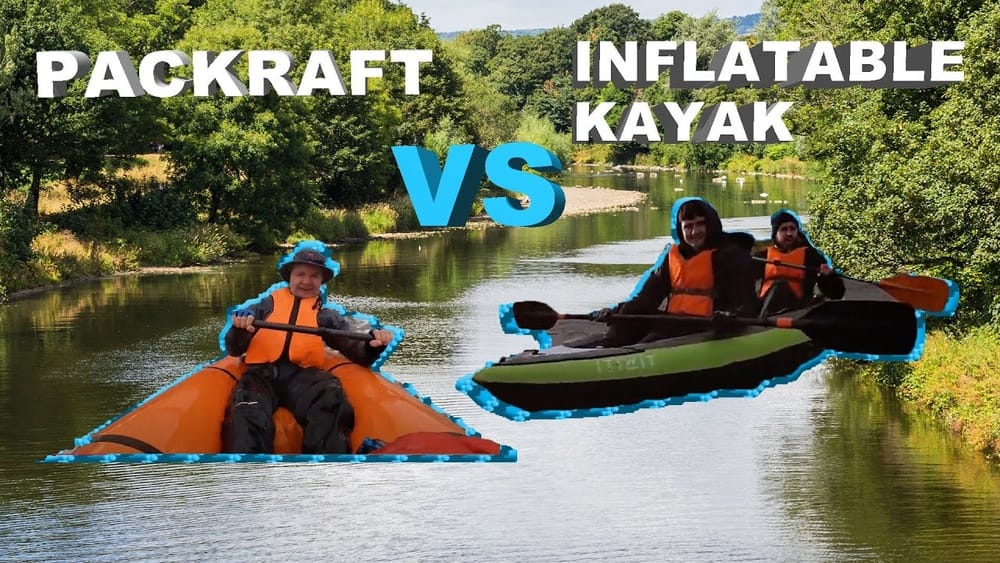
Packraft Vs Inflatable Kayak: Which One Should You Choose?
Anyone looking for a lightweight, portable boat for adventure quickly finds two main options: packrafts and inflatable kayaks. Both can fit in your car trunk, both float you down rivers or across lakes, and both promise fun. But which one is right for you? The answer is more complex than you might think. While they share some similarities, their differences matter a lot, especially when your safety, comfort, and experience are on the line.
This guide looks deeply at packraft vs inflatable kayak. Whether you are a hiker dreaming of remote lakes, a fisherman wanting more mobility, or a weekend explorer who values comfort, you’ll find clear answers here. We’ll cover how they are built, how they perform, what they cost, and what type of user each one suits best. You’ll also get real examples, data, and a few things most beginners never consider until it’s too late.
What Is A Packraft?
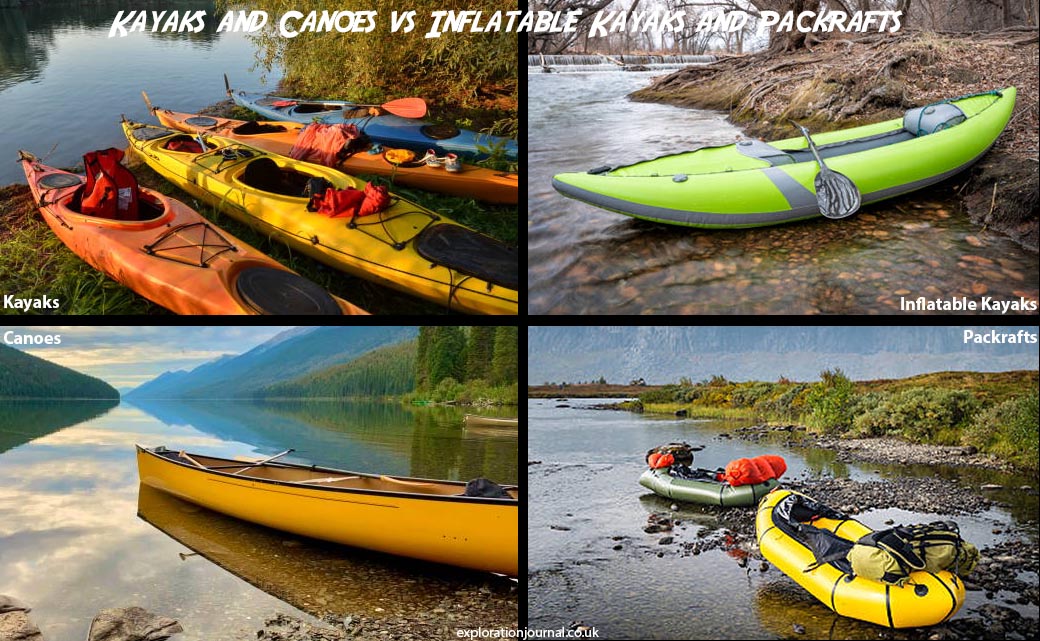
A packraft is a small, inflatable boat designed for easy carrying and quick setup. Usually, packrafts weigh between 1.5 to 4 kg (3–9 lbs) and pack down to the size of a sleeping bag. The idea is simple: hikers or bikers can carry them over long distances, then inflate them to cross rivers, lakes, or even mild whitewater.
Most packrafts are made from urethane-coated nylon or similar tough materials. They are strong enough to handle bumps and scrapes but still light enough to carry for hours. Setup usually takes under 10 minutes, often with a simple bag that fills the raft with air before sealing it.
Originally, packrafts were popular with backpackers in Alaska who needed to cross rivers. Now, they are used worldwide for all kinds of adventures, from calm lakes to challenging rapids.
What Is An Inflatable Kayak?
An inflatable kayak is a boat shaped like a traditional kayak but made from air chambers. It’s larger and heavier than a packraft, usually weighing between 10–20 kg (22–44 lbs). Inflatable kayaks aim to give a similar paddling experience to hard-shell kayaks, but with the advantage of portability.
Most inflatable kayaks are built with PVC or drop-stitch technology. They have multiple air chambers for safety—if one pops, the others stay inflated. Their design includes a seat, footrest, and sometimes even storage for gear. Inflating an inflatable kayak usually takes 10–15 minutes with a hand or electric pump.
People use inflatable kayaks for everything from family trips on a lake to multi-day river journeys. They are popular with recreational paddlers who don’t want to store or transport a hard kayak.
Head-to-head Comparison
To see the main differences, look at this side-by-side summary:
| Feature | Packraft | Inflatable Kayak |
|---|---|---|
| Weight | 1.5–4 kg (3–9 lbs) | 10–20 kg (22–44 lbs) |
| Packed Size | Small (sleeping bag size) | Larger (suitcase size) |
| Setup Time | 5–10 minutes | 10–15 minutes |
| Durability | High (for weight) | Very High |
| Water Types | Calm to whitewater | Calm, rivers, mild whitewater |
| Capacity | 1 person (mostly) | 1–2 persons |
| Price Range | $400–$1,500+ | $200–$1,200+ |
This table gives a quick overview, but the real decision comes down to details.
Weight And Portability
Portability is where packrafts shine. The lightest packrafts weigh less than a standard laptop. You can roll them up, put them in your backpack, and barely notice the weight. This makes them perfect for hiking, biking, or even flying to remote locations. Some models can be packed down so small they fit into a large jacket pocket.
Inflatable kayaks are portable compared to hard-shell kayaks, but they’re heavy for a person to carry over long distances. Carrying a 15 kg inflatable kayak on a long hike, plus a paddle and pump, can wear you out fast. Most people transport them by car and only carry them short distances to the water.
Non-obvious insight: Some beginners forget that a kayak’s packed size matters as much as its weight. A packraft fits inside any backpack, while most inflatable kayaks require a special bag or even a luggage cart.

Credit: coloradokayak.com
Setup And Take Down
Packrafts are designed for speed. Many use an “inflation bag” that traps air and squeezes it into the boat. You do not need a pump. Setup is usually under 10 minutes, and take down is just as fast—simply open the valve and roll it up.
Inflatable kayaks need a pump, and often more than one air chamber must be filled. You’ll need 10–15 minutes to set up, plus extra time to attach seats, footrests, and sometimes a skeg (a fin for tracking). Drying and packing up can also take longer, as kayaks have more parts and often hold more water inside.
Non-obvious insight: In cold conditions, setting up an inflatable kayak can be tougher, as the plastic is stiffer and pumps are harder to use with cold hands. Packrafts use simpler inflation, which is easier if you’re wet or tired.
On-water Performance
Both boats float, but they handle very differently.
Stability
Packrafts are wide and flat-bottomed. They’re extremely stable, making them hard to tip over, even for beginners. This is great for crossing fast rivers or tricky landings. However, the wide shape means they are not as fast as a kayak.
Inflatable kayaks are shaped more like traditional boats. They track straighter (go in a straight line) and cut through the water better. They can feel a bit tippy, especially for new paddlers, but most models are very safe.
Speed And Tracking
Packrafts are slow compared to kayaks. Their short, fat shape means you need more paddle strokes to go the same distance. If you want to cross a large lake or paddle upstream, a kayak is much faster.
Inflatable kayaks can be surprisingly quick. Double-bladed paddles, long hulls, and tracking fins help them move efficiently. You can cover 5–7 km/hour easily on flat water.
Maneuverability
Packrafts turn quickly. Their short length and wide base let you spin or change direction fast. This is perfect for dodging rocks or trees in a river.
Inflatable kayaks are less agile, especially the longer, two-person models. They’re better for straight paddling than for sharp turns.
Example: If you’re floating down a winding mountain river, a packraft’s quick turns can keep you out of trouble. On a wide, slow river, the kayak’s straight tracking is less tiring.
Durability And Material
Both packrafts and inflatable kayaks are tough, but their designs focus on different risks.
Packrafts use lightweight but strong fabrics, often coated with urethane or TPU. They resist sharp rocks, sticks, and scrapes but can be damaged by sharp knives or glass. Most packrafts can be quickly patched with field repair kits.
Inflatable kayaks are often made from heavy-duty PVC or drop-stitch material. Some high-end models use materials similar to whitewater rafts. They resist scraping, punctures, and UV damage. This makes them great for frequent use on rough rivers.
Non-obvious insight: Some packraft users forget that lighter models are less durable. If you plan to carry a lot of gear or paddle with a dog, you need a tougher (and slightly heavier) packraft.
Comfort And Space
Packrafts are simple. Most have a single inflatable seat or a foam pad. Leg room can be tight, especially for taller paddlers. There’s little space for gear, and you sit close to the water. This is fine for short trips but can feel cramped after a few hours.
Inflatable kayaks are designed for comfort. They have adjustable seats, backrests, and sometimes even foot braces. Some models include space for two people and enough room for a picnic, fishing gear, or camping supplies. Sitting higher and drier makes long trips more enjoyable.
Example: For a quick river crossing, comfort doesn’t matter much. But for a full day of paddling, the kayak’s better seat and extra space make a real difference.
Safety Features
Both boats have safety in mind, but in different ways.
Packrafts have multiple air chambers, so they won’t sink if one pops. Their bright colors are easy to spot. Some models include spray decks (like a kayak skirt) to keep water out, and tie-downs for gear.
Inflatable kayaks also use multiple air chambers and often have grab lines, D-rings, and extra flotation. High-end models are certified for certain safety standards, such as ISO or NMMA ratings.
Pro tip: Always wear a life jacket with either boat. Even the most stable design can tip in rough water.
Price And Value
There’s a wide range of prices in both categories.
- Packrafts: Entry models start around $400, while expedition-grade packrafts can cost over $1,500. More expensive packrafts are lighter, stronger, and sometimes include extra features like internal storage or spray decks.
- Inflatable kayaks: Basic models start around $200, with top models reaching $1,200 or more. Higher prices bring better materials, more comfort, and features like self-bailing floors.
Value tip: Don’t just look at the price. Think about how often you’ll use the boat, where you’ll take it, and how much you’re willing to carry. Cheap boats are tempting but may not last or perform well.
Best Use Cases
Still not sure which boat is right for you? Here are some typical situations:
When To Choose A Packraft
- You plan to hike or bike with your boat.
- You need to cross rivers or lakes in remote places.
- You want to paddle small, twisty rivers where quick turns matter.
- You need the lightest, most portable option.
- You travel by plane and need to pack light.
When To Choose An Inflatable Kayak
- You want to paddle with a friend or family member.
- You need more comfort and space for long trips.
- You fish or camp and need to carry gear.
- You paddle mostly on lakes, slow rivers, or coastal waters.
- You want a boat that feels close to a hard kayak.
Real-world Scenarios
Solo Backpacking Adventure
Imagine hiking in the mountains for three days and then paddling across a wild lake. A packraft is your friend here. It’s light enough to carry up steep trails and quick to set up when you reach water.
Family Day At The Lake
You want to take your child or partner with you. An inflatable kayak is ideal. It has two seats, plenty of space for snacks, and is stable enough for beginners.
Urban Exploration
If you live in a city with small rivers or canals, both boats can work. A packraft is easier to carry on public transport, while a kayak is better for longer paddles.
Fishing Trip
Inflatable kayaks win for fishing. More space for gear and better comfort mean you can spend hours casting without feeling cramped.
Maintenance And Care
Both types require some care if you want them to last.
- Always rinse with clean water after use, especially after salt water.
- Dry completely before packing to avoid mold and bad smells.
- Check for leaks before every trip. Small punctures can be patched with repair kits.
- Store in a cool, dry place, away from direct sunlight.
Non-obvious insight: Don’t store your boat rolled up for months at a time. Unroll and inflate occasionally to keep the material flexible and the valves in good shape.
Environmental Impact
Most packrafts and inflatable kayaks use plastics, but the impact is lower than buying and transporting a hard-shell kayak. Some brands now use recycled materials or non-toxic coatings. Always check the manufacturer’s claims if this matters to you.
Also, using a lightweight, portable boat means you can reach places without building roads or launching ramps, reducing your footprint.
Credit: www.explorationjournal.co.uk
Common Mistakes To Avoid
- Overloading: Both boats have weight limits. Overloading can damage the boat and make paddling unsafe.
- Ignoring repair kits: Always bring a patch kit and know how to use it.
- Not checking weather: Wind and waves are tougher in these small boats. Check conditions before you paddle.
- Choosing by price only: Cheap boats may not last. Invest in quality if you plan to use your boat often.
- Forgetting accessories: Don’t forget paddles, pumps (for kayaks), and life jackets.
Which Is Better For You?
There is no simple winner in the packraft vs inflatable kayak debate. The answer depends on your needs.
- If you want the lightest, most portable boat for solo adventures—get a packraft.
- If comfort, speed, and paddling with a friend matter more—choose an inflatable kayak.
Test both if you can. Borrow from a friend or rent before buying. The right boat will make your adventure safer, more fun, and less stressful.
If you want more technical details about packraft design and history, you can check the Wikipedia page on packrafts.

Credit: inflatablekayaksandpackrafts.com
Key Features Comparison Table
For a quick reference, here’s a summary of key features:
| Feature | Packraft | Inflatable Kayak |
|---|---|---|
| Best For | Hiking, remote access | Comfort, group trips |
| Typical Weight | 2–4 kg | 10–18 kg |
| Paddle Type | Single or double blade | Double blade |
| Gear Storage | Limited | Spacious |
| Paddling Speed | Slow | Moderate to fast |
| Setup Tools Needed | Inflation bag | Pump required |
| Dog Friendly | Only tough models | Most models |
Frequently Asked Questions
Is A Packraft Safer Than An Inflatable Kayak?
Both boats are safe when used correctly and in the right conditions. Packrafts are very stable and hard to tip, which is good for beginners. Inflatable kayaks have more space and sometimes more safety features like grab lines. The most important thing is to wear a life jacket and choose the right boat for your water type.
How Long Do Packrafts And Inflatable Kayaks Last?
With good care, both can last 5–10 years or more. Higher-quality materials and careful storage make a big difference. Always rinse and dry your boat after use, and store it out of the sun.
Can I Take My Dog In A Packraft Or Inflatable Kayak?
Some tough packrafts can handle a small dog, but claws can damage the boat. Inflatable kayaks are usually better for pets, especially with reinforced floors. Always check the manufacturer’s advice and protect the boat floor.
Do I Need Special Skills To Use A Packraft Or Inflatable Kayak?
No special skills are needed for calm water. Packrafts are easy for beginners. Inflatable kayaks feel like normal kayaks and may take a little practice. For whitewater or rough water, training is always a good idea.
Which Is Better For Fishing—packraft Or Inflatable Kayak?
Inflatable kayaks are better for fishing. They have more space for gear, are more stable when casting, and often include special features for anglers. Packrafts are not designed for long hours of fishing or heavy equipment.
Choosing between a packraft and an inflatable kayak is not just about price or looks. Think about where you’ll use it, how much you’ll carry, and what kind of trips you dream about. The right boat will open new adventures and help you enjoy the water safely and comfortably.