
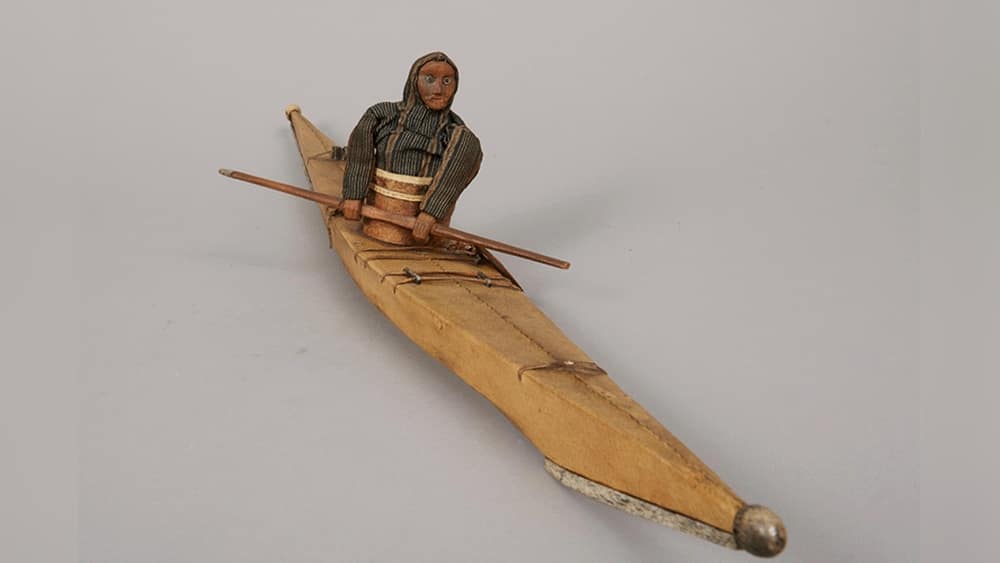
The kayak is more than just a small boat you see on lakes or rivers today. Its story began thousands of years ago, far from the modern world, in some of the coldest and most challenging places on Earth. The invention of the kayak was not just about transportation—it was a matter of survival.
Understanding who invented the kayak means exploring the lives, needs, and creativity of the Arctic people who depended on it. In this article, you’ll discover how the kayak was born, who created it, how it changed over time, and why it remains so popular even now.
The First Kayaks: The Arctic Invention
Long before the kayak became a sport or hobby, it was a tool for living. The very first kayaks were invented by the Inuit people, sometimes called Eskimos, who lived in the Arctic regions of North America, including Greenland, Canada, and Alaska. Archaeologists believe that kayaks have existed for at least 4,000 years, possibly even longer.
The word “kayak” comes from the Inuit word “qajaq” (pronounced “kyak”). This word means “hunter’s boat,” which tells us how important the kayak was for food and survival. The cold Arctic waters were full of fish, seals, and sometimes whales, but hunting them was dangerous. The Inuit designed the kayak to be fast, quiet, and stable—perfect for sneaking up on animals.
How Early Kayaks Were Made
Building a kayak in the Arctic was not easy. There were no stores, factories, or metal tools. The Inuit had to use what nature gave them. The main materials were:
- Driftwood: Trees do not grow in the Arctic, but pieces of wood sometimes washed up on shore.
- Whalebone: When wood was scarce, strong bones from whales were used for the frame.
- Animal skins: Usually sealskin, stretched tightly over the frame to make the boat waterproof.
- Sinew or animal tendons: Used as cords to tie everything together.
Every kayak was handmade, and each one was unique. The design depended on the person using it. A hunter would build the kayak to fit his own body size. This made the boat easy to control, almost like an extension of the hunter himself. Kayaks were often only about 18–20 inches (45–50 cm) wide and up to 20 feet (6 meters) long.
Why The Inuit Needed The Kayak
The Arctic is a land of ice, snow, and water. In summer, rivers and seas open up, creating a pathway for travel and hunting. On foot, the land is slow and sometimes impossible to cross. But the kayak let the Inuit:
- Hunt seals, fish, and sometimes caribou swimming across rivers
- Travel quickly over water in summer
- Move quietly, so animals would not run away
The design was perfect for these jobs. The kayak’s low shape made it hard to see. The covered top kept water out and helped keep the paddler warm. If the kayak flipped, the skilled Inuit could roll it upright again using a move called the Eskimo roll.
Comparison: Kayak Vs. Other Early Boats
The kayak was not the only boat invented by native peoples. Another famous Arctic boat is the umiak, also used by the Inuit. Here’s a comparison:
| Feature | Kayak | Umiak |
|---|---|---|
| Purpose | Hunting, single person | Transport, many people |
| Size | Small, 1 person | Large, up to 20 people |
| Cover | Enclosed deck | Open boat |
| Material | Animal skins, wood/bone | Animal skins, wood/bone |
The kayak was specialized for stealth and speed, while the umiak was for families, trade, or moving supplies.

Credit: khkss.com
Spread And Development Of Kayaks
Though the Inuit are the original inventors, similar boats appeared in other Arctic cultures. The Aleut people in Alaska built a version called the baidarka, which had a pointed double bow. In Siberia, the Chukchi people made their own types. These groups did not copy each other directly, but the harsh climate led to similar solutions.
Kayak designs slowly changed from region to region. For example:
- Greenland kayaks were slim and low, good for open sea hunting.
- Alaskan kayaks were wider and had extra storage for long trips.
- Some had one cockpit, others had two or three for team hunting.
Each change reflected what the local people needed and the materials they could find.
How Kayaks Reached The Rest Of The World
For centuries, the kayak was unknown outside the Arctic. This changed in the 1700s and 1800s, when European explorers traveled to the far north. They saw the kayak’s amazing design and brought some back to Europe. The first people in Europe to use kayaks were explorers and scientists who wanted to travel Arctic waters.
Soon, Europeans started to build their own kayaks, using modern materials like canvas over a wooden frame. These kayaks were used for fun, not hunting. In 1865, the Scottish explorer John MacGregor made a kayak called the “Rob Roy.” He traveled rivers in Europe and wrote books about his journeys, which made kayaking popular among city people.
By the early 1900s, kayaks had spread to Germany, France, and other countries. They became part of canoe clubs and were used for racing and adventure. The first kayak races in the Olympics happened in 1936 in Berlin.
Materials: Then And Now
Early kayaks were built with survival in mind. Modern kayaks are made for sports, fun, and comfort. Here’s how materials changed over time:
| Time Period | Main Materials | Purpose |
|---|---|---|
| Ancient Arctic | Wood, whalebone, sealskin | Hunting, travel |
| 1800s Europe | Wood, canvas | Exploration, sport |
| Mid-1900s | Plywood, fiberglass | Racing, recreation |
| Today | Plastic, carbon fiber, composites | Sport, touring, fishing |
Modern kayaks are lighter, stronger, and easy to mass-produce. But the basic shape has stayed almost the same as the original Inuit design.
Important Innovations In Kayak History
Many people improved the kayak, but the biggest change was when it became a sport. Here are some key moments:
- Folding Kayak (1905): Alfred Heurich, a German, invented a kayak that could be taken apart and carried in a bag. This made travel easier and helped kayaking spread quickly.
- Fiberglass Kayaks (1950s): After World War II, new materials like fiberglass made kayaks faster and lighter.
- Plastic Kayaks (1970s): Polyethylene plastic made kayaks strong and cheap, so more people could afford them.
- Sit-on-top Kayaks (1980s): These are open on top, so you don’t sit inside. They are good for beginners and fishing.
- Inflatable Kayaks: Easy to store and transport, these are popular for travel and small spaces.
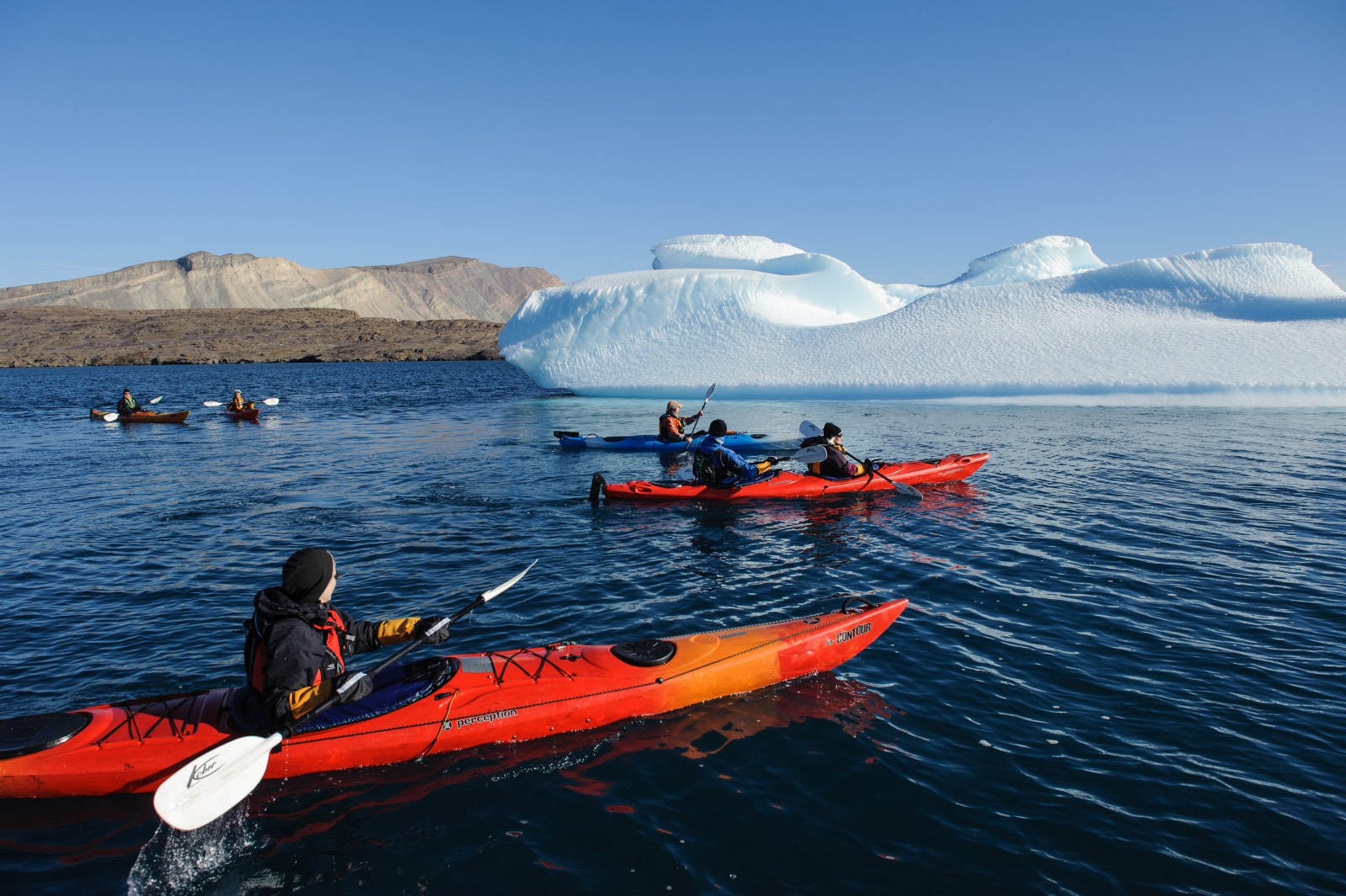
Despite these changes, the basic idea—a small, fast boat for one person—remains the same.
Credit: oceanwide-expeditions.com
Cultural Meaning Of The Kayak
For the Inuit, the kayak was not just a tool. It was part of their identity, art, and traditions. Making a kayak was a special skill, often passed from father to son. Some kayaks were decorated with carvings or painted symbols.
Inuit hunters believed the kayak had a spirit. Before hunting, they performed rituals to bring good luck and safety. Losing a kayak could mean losing your life in the wild. This deep respect is one reason why the kayak survived for thousands of years.
Kayaks Around The World Today
Kayaking is now a global sport and hobby. Millions of people use kayaks for:
- Whitewater sports on fast rivers
- Sea kayaking along coasts
- Fishing in lakes and rivers
- Long-distance touring
- Nature watching and adventure travel
Kayaks are found everywhere, from hot tropical rivers to cold mountain lakes. The sport is included in the Olympic Games, and there are races, festivals, and clubs in almost every country.

Credit: ocean.si.edu
Common Myths About The Kayak’s Invention
Some people think the kayak was invented in one place or by one person. In truth, the kayak is the result of many generations of Arctic inventors. Here are a few myths and the real facts:
- Myth: Kayaks were invented by a single genius.
- Fact: Kayaks evolved slowly, with each generation improving the design.
- Myth: Only the Inuit used kayaks.
- Fact: Other groups, like the Aleut and Chukchi, made their own versions.
- Myth: Kayaks were for fun.
- Fact: The early kayak was a tool for survival, not play.
Understanding these facts helps us respect the creativity and skill of the first kayak builders.
Modern Kayak Types And Uses
Today, you’ll find many kinds of kayaks. Here are some common types and how they are used:
| Type | Main Use | Features |
|---|---|---|
| Sea Kayak | Ocean trips | Long, stable, storage space |
| Whitewater Kayak | Rivers, rapids | Short, easy to turn |
| Recreational Kayak | Lakes, slow rivers | Wide, stable, simple |
| Fishing Kayak | Fishing | Extra space, rod holders |
| Inflatable Kayak | Travel, easy storage | Folds up, light |
Choosing the right kayak depends on where you want to go and what you want to do.
Two Insights Beginners Often Miss
- Kayak Design Fits the User: The original Inuit kayaks were custom-built for each person’s size, weight, and purpose. Many beginners buy a kayak that is too big or small, making it harder to control. Always test and choose a kayak that matches your size and needs.
- Paddling Technique Matters More Than Strength: Many think kayaking is all about arm strength. In reality, good technique—using your whole body, not just your arms—makes paddling easier and safer. Learning basic strokes and rescue moves like the Eskimo roll is key, especially on open water.
The Kayak’s Legacy
The kayak is a perfect example of human adaptation and invention. It started as a simple, practical tool and became a worldwide sport and hobby. The skills and knowledge of the Inuit and other Arctic peoples still shape kayak design today. If you paddle a kayak, you are part of a tradition that goes back thousands of years.
For those who want to learn more about the Inuit and their boats, the Wikipedia: Kayak page offers more history and details.
Frequently Asked Questions
Who Invented The Kayak?
The Inuit people of the Arctic invented the kayak more than 4,000 years ago. Their design was based on the need for a fast, stealthy boat for hunting in cold waters.
What Materials Did The First Kayaks Use?
Early kayaks were made with a frame of driftwood or whalebone, covered with sealskin and tied with animal sinew. These materials were chosen because they were available in the Arctic and made the kayak light but strong.
How Is A Kayak Different From A Canoe?
A kayak is usually narrower and has a covered deck, with the paddler sitting inside and using a double-bladed paddle. A canoe is open on top, and the paddler uses a single-bladed paddle.
Are Traditional Kayaks Still Used Today?
Some Inuit communities still build and use traditional kayaks for hunting and cultural reasons. Most kayaks today are made with modern materials and used for recreation, but the basic design is very similar.
Why Is The Kayak Still Popular After Thousands Of Years?
The kayak’s simple, effective design makes it easy to use, fast on the water, and useful for many activities. Its history and unique style also make it attractive to people who love adventure and the outdoors.
The story of the kayak is truly a journey from survival to sport, from the frozen north to every corner of the world.