
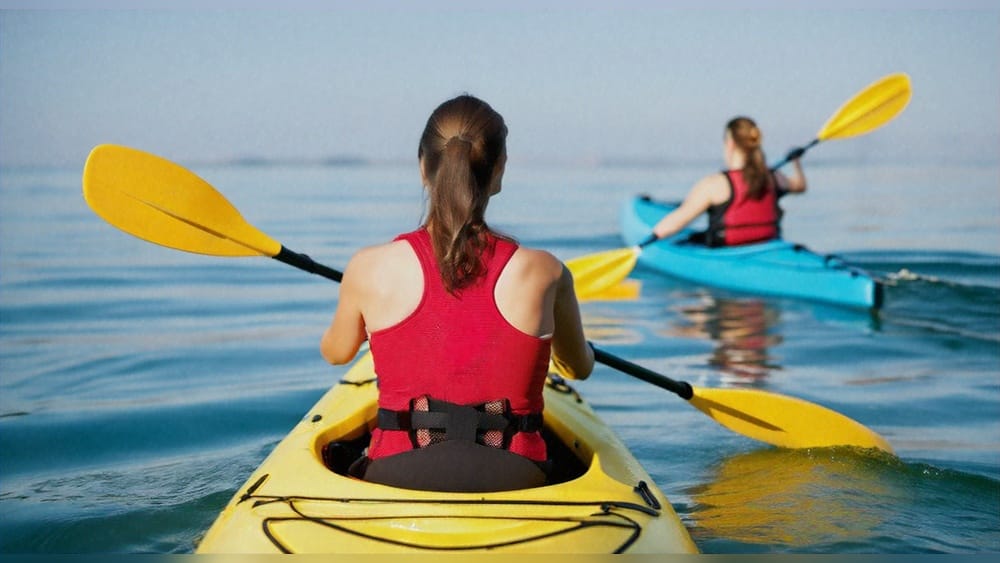
Kayaking is more than just a relaxing trip across a lake or a thrilling ride down a river. It’s an excellent way to exercise your body, enjoy nature, and burn calories. Many people wonder, “How many calories do you burn kayaking?
” The answer depends on several factors, including your weight, intensity, duration, and even the type of water you paddle on. Understanding these details helps you plan better for fitness and fun.
Let’s explore how kayaking affects calorie burn, what influences it, and how you can make the most of your time on the water. If you’re curious about whether kayaking can help you lose weight or improve your health, you’ll find everything you need here.
How Kayaking Burns Calories
Kayaking is a full-body workout. While your arms and shoulders do a lot of the work, your back, core, and even your legs are involved in each stroke. This combination makes kayaking both an aerobic and anaerobic exercise.
When you paddle, your heart rate rises. This means your body uses more energy, so you burn calories. The actual number depends on how hard you paddle, your body size, and how long you stay on the water.
Unlike activities like running or cycling, kayaking is low-impact. This means it’s easier on your joints, making it suitable for many people. The resistance of the water provides natural strength training, so you get a mix of cardio and muscle work in every session.
Calorie Burn: Average Numbers
On average, a person weighing around 70 kg (154 lbs) will burn approximately 280 to 350 calories per hour during recreational kayaking. If you increase the intensity, such as by racing or paddling in rough water, you can burn 400 to 500 calories or more per hour.
Here’s a quick look at how calories burned per hour can vary by weight:
| Weight | Recreational Kayaking | Intense Kayaking |
|---|---|---|
| 56 kg (123 lbs) | 220 calories | 320 calories |
| 70 kg (154 lbs) | 280 calories | 400 calories |
| 84 kg (185 lbs) | 340 calories | 480 calories |
| 100 kg (220 lbs) | 410 calories | 580 calories |
These numbers are averages. Your own results may be a bit higher or lower.

Credit: glassbottomtours.com
Factors That Affect Calories Burned While Kayaking
Several key factors decide how many calories you’ll burn in your kayak:
1. Your Weight
Heavier people use more energy to move their bodies, so they burn more calories. For example, someone who weighs 100 kg will burn much more than someone who weighs 60 kg over the same distance.
2. Intensity
A gentle paddle on calm water burns fewer calories than racing or fighting against a strong current. The harder you work, the higher your heart rate, and the more calories you burn.
3. Duration
Kayaking for 30 minutes will burn fewer calories than a two-hour trip. Longer sessions mean higher total calorie burn, but remember to consider your energy and safety.
4. Water Conditions
Wind, waves, and currents make paddling harder. If you’re on a river with rapids or kayaking against the wind, your body works harder and burns more calories.
5. Kayak Type
Not all kayaks are the same. Wider, heavier kayaks take more effort to move. Racing kayaks or lightweight models glide more easily, burning fewer calories for the same distance.
6. Technique
Good technique uses your whole body, not just your arms. This spreads the effort and increases your calorie burn. Beginners often use only their arms, which tires them quickly and burns fewer calories.
7. Paddling Speed
The faster you go, the more energy you use. Sprinting or interval training in a kayak can raise your calorie burn to match running or cycling.
8. Breaks And Rest
If you stop often to rest or float, your average calorie burn will be lower. Continuous paddling boosts the total calories burned.
Comparing Kayaking To Other Activities
It helps to compare kayaking with other common activities to see how it fits into your fitness routine.
| Activity | Calories Burned/Hour (70 kg person) |
|---|---|
| Kayaking (moderate) | 280 |
| Running (8 km/h) | 600 |
| Cycling (16 km/h) | 350 |
| Swimming (leisurely) | 420 |
| Walking (5 km/h) | 210 |
| Rowing (moderate) | 350 |
Kayaking burns more calories than walking but less than running. However, it offers a unique mix of strength and endurance training.
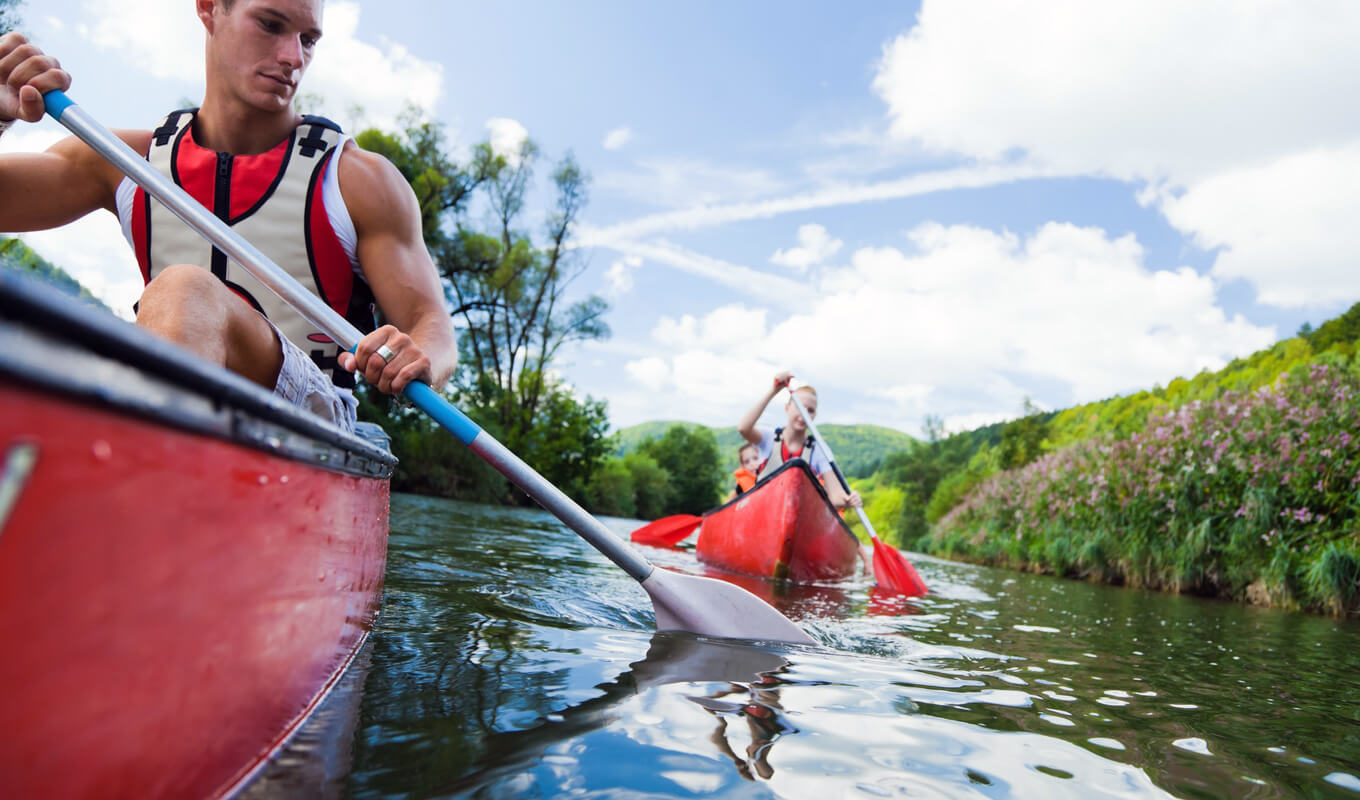
Credit: www.gilisports.com
How To Burn More Calories Kayaking
If your goal is to maximize calorie burn, try these strategies:
- Increase your pace: Paddle faster for short bursts, then recover. This interval style boosts calorie use.
- Choose challenging water: Rivers, waves, or wind make you work harder.
- Use proper technique: Engage your core and back, not just your arms.
- Try longer trips: The more time you spend paddling, the more calories you burn.
- Add resistance: Try towing a small load or using a heavier paddle.
One thing many beginners miss is how important it is to use your core muscles. Rotating your torso with each stroke brings your abs and back into play, burning more calories and reducing arm fatigue.
Real-world Examples
Let’s look at how kayaking fits into real-life scenarios:
- Anna, 65 kg, paddles for an hour on a calm lake. She burns about 260 calories. If she does this three times a week, that’s almost 800 calories weekly.
- Mark, 90 kg, joins a whitewater trip. He paddles hard for two hours, burning close to 1,000 calories.
- Sarah and Ben, both 75 kg, go sea kayaking for a full day. With breaks and meals, they paddle for five hours, burning around 1,700 calories each.
People often forget that the type of kayaking matters a lot. Whitewater, sea, and touring kayaking demand more effort than drifting on a quiet pond.
Kayaking For Weight Loss
Can you lose weight by kayaking? Yes, but diet plays a big role too. To lose one kilogram of fat, you need to burn about 7,700 calories more than you eat. If you kayak for one hour and burn 350 calories, you’ll make progress, but pairing paddling with healthy eating gets the best results.
A hidden benefit of kayaking is that it doesn’t always feel like exercise. You might stay active longer because you’re enjoying the scenery or wildlife. This is one reason people stick with kayaking as a hobby—it’s fun, not just a workout.
Kayaking And Muscle Building
While kayaking is great for burning calories, it also builds muscle. Regular paddling strengthens your:
- Back and shoulders
- Arms and forearms
- Abs and obliques
- Legs and hips (for control and balance)
As you add muscle, your resting metabolism increases, which means you burn more calories even when you’re not on the water.
Measuring Your Calorie Burn
If you want an exact number for your personal calorie burn, you can use fitness trackers or smartwatches. Many devices now track kayaking as an activity, using your heart rate and movement data.
Some apps let you enter your weight, age, and time spent paddling for a more accurate estimate. Remember, these are still estimates, but they can help you see trends over time.
Common Mistakes When Estimating Calories
People often overestimate how many calories they burn. Here are a few things to watch for:
- Counting total trip time instead of paddling time. Only time spent actively paddling counts.
- Ignoring rest breaks. Resting lowers your average calorie burn.
- Assuming all kayaking is intense. Leisurely paddling burns fewer calories than racing or whitewater trips.
- Using one-size-fits-all numbers. Your weight, age, and fitness level matter.
A practical tip: log your sessions and note how hard you worked. This helps you get a better sense of your real calorie burn.
Making Kayaking Part Of Your Fitness Plan
If you want to use kayaking for fitness, consistency is key. Aim for at least two to three sessions per week, with each lasting at least 45 minutes. Combine kayaking with other activities like walking, cycling, or strength training for the best results.
Hydration and nutrition matter, too. Bring water and healthy snacks, especially for long trips. And always wear a life jacket—safety first.
Health Benefits Beyond Calories
Kayaking offers more than just calorie burn:
- Stress relief: Being on the water calms the mind.
- Improved mood: Exercise releases endorphins.
- Better balance and coordination: Paddling works many small muscles.
- Social connection: Group kayaking builds friendships.
These benefits add up, making kayaking a great choice for overall wellness.
How To Get Started
If you’re new, start with short, easy trips on calm water. Rent a kayak or join a guided group to learn the basics. Focus on technique before worrying about speed or distance.
Investing in a good paddle and comfortable seat can make a big difference. Dress for the weather and always check safety guidelines for your area.
For more details about kayaking fitness, visit the Wikipedia Kayaking page.
Frequently Asked Questions
How Many Calories Does Kayaking Burn Per Hour?
A person weighing around 70 kg (154 lbs) burns about 280 to 350 calories per hour during recreational kayaking. More intense paddling or rough water can increase this to 400–500 calories per hour.
Does Kayaking Help With Weight Loss?
Yes, kayaking can help with weight loss if you paddle regularly and combine it with healthy eating. The key is to burn more calories than you eat. Kayaking is enjoyable, which makes it easier to stay active.
Is Kayaking A Good Workout For Building Muscle?
Kayaking works your upper body, core, and even your legs. Over time, you’ll build strength and endurance, especially in your back, shoulders, and arms.
What Type Of Kayaking Burns The Most Calories?
Whitewater kayaking, sea kayaking in waves, and racing burn the most calories because they require more effort and use more muscle groups.
How Can I Track The Calories I Burn While Kayaking?
Use a fitness tracker or smartwatch that supports kayaking, or input your weight, time, and effort level into a calorie calculator app. Remember, all numbers are estimates but helpful for tracking progress.
Kayaking is more than just a water sport—it’s a powerful way to boost your health, burn calories, and enjoy the outdoors. Whether you’re a beginner or a seasoned paddler, every trip brings new benefits for body and mind.
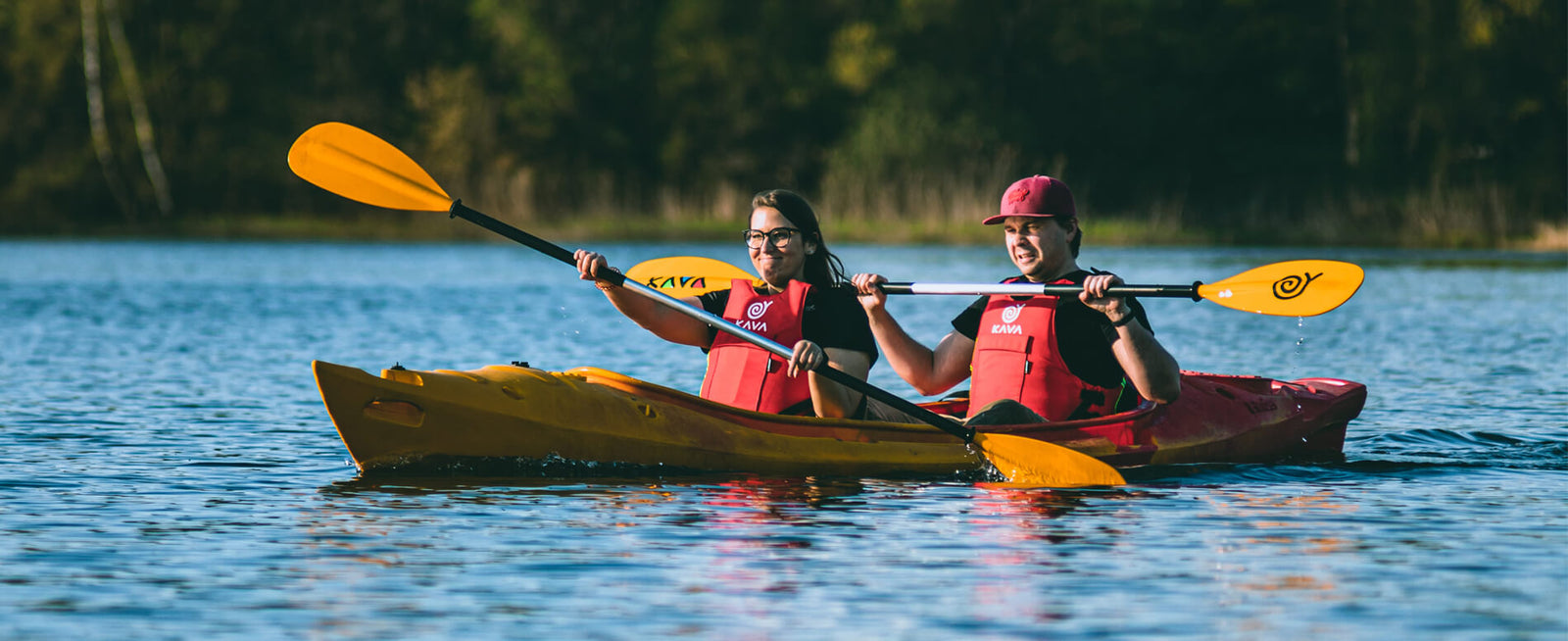
Credit: www.gilisports.com